
Home › Blog › Engagement celebrations
Vietnamese Engagement Ceremony Explained: Traditions & Planning Guide
By the Cáo Moments team · 2026-11-06
The Lễ Đính Hôn is a daylong family ceremony where the groom's family visits the bride's home to formally ask for her hand. It typically happens 2–4 weeks before the wedding and involves both families exchanging gifts (usually tea, betel nuts, wine, and gold jewellery), presenting engagement rings, and sharing a meal together. The bride wears a traditional áo dài or Western dress; the groom dresses formally. Duration is 3–5 hours. Modern couples now hold Lễ Đính Hôn at restaurants or hotels rather than homes. Cáo Moments coordinates the entire day—venue, flowers, custom cake, decor, and a hidden photographer to capture candid family moments—so you can focus on the relationships being celebrated, not logistics. Budget and scale vary widely depending on family size and formality; ask us for a quote on WhatsApp after you've decided on guest count and date.
What exactly happens during the Lễ Đính Hôn?
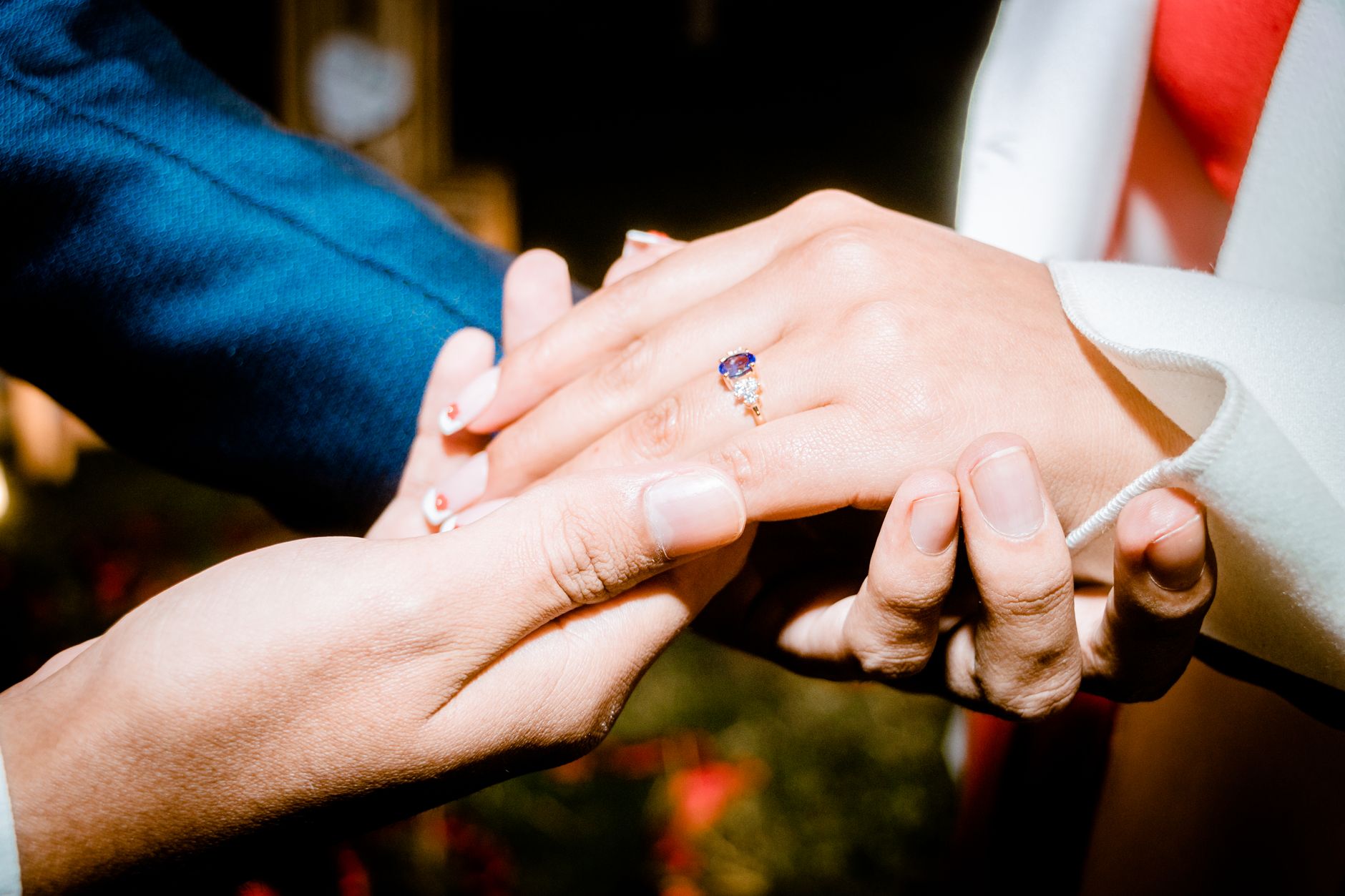
The ceremony follows a structured sequence. The groom's family arrives at a set time and presents the gift box (usually a decorated container holding tea, betel nuts, wine, and gold items). The bride's family receives them, and the two parents formally greet each other. The groom's mother places the engagement ring on the bride's finger; the bride's family reciprocates with the groom's ring. Both families then share tea, and sometimes the couple exchanges gifts with each other. A formal meal follows. Modern versions add a short speech from each side's patriarch or matriarch, and many couples now include toasts and photos. The whole process is intentional and ceremonial—not rushed. We've learned that couples often underestimate how much coordination this requires: family members arriving late, the gift box placement, ring sizing, where everyone stands for photos, ensuring the cake arrives before the meal winds down.
Chat with a planner on WhatsApp
Where should we hold our Lễ Đính Hôn ceremony?
Traditionally held at the bride's family home, modern ceremonies now happen at a variety of venues. Many couples choose a private dining room in a boutique hotel or rooftop restaurant with a river view, which offers better logistics, photography backdrops, and climate control (critical in Vietnam's heat and humidity). Some families prefer community halls or family-run meeting spaces that feel less "commercial" but require more setup work. A few couples host theirs at their own home if space and catering can be managed. We typically recommend a venue that allows you to control entry time (so the groom's family arrives together for the formal "knock on the door" moment), has good natural light for photos, and permits a hired florist and cake delivery. Ask the venue about their rules on decoration, music volume, and how long you can stay.
How do we decide what gifts to exchange?
The groom's side traditionally brings a gift box containing tea, betel nuts, wine, and gold jewellery (or, in modern versions, cash in an ornate envelope). The bride's side prepares a reciprocal gift box or gifts in return. Specifics vary by region and family custom—northern Vietnam often emphasizes the formality of the box itself; southern regions may focus on the monetary value or jewellery. Couples should discuss this early with both sets of parents, as expectations differ. We advise creating a simple checklist with each family and confirming it two weeks before the ceremony. The mistake we see most often: the groom's family and bride's family prepare gifts without communicating, leading to mismatched or duplicate items. Write it down. Photograph the gift boxes before the ceremony so you have a record. Some families now add personalized items (a framed photo of the couple, a custom book) alongside traditional gifts—this adds warmth without breaking protocol.
How long should the ceremony last, and when should we schedule it?
A traditional Lễ Đính Hôn runs 3–5 hours, usually held in the morning or early afternoon (9 AM–1 PM or 11 AM–3 PM). Starting time matters: the groom's family should arrive within a 30-minute window, and the ceremony should finish before evening to allow family members to return home or prepare for celebrations. We recommend scheduling on a Saturday or Sunday for convenience. Allow 30 minutes for arrival and greeting, 20–30 minutes for the formal gift exchange and ring ceremony, 60–90 minutes for the meal, and 30 minutes for buffer and final photos. If you're coordinating with a photographer and videographer, confirm they arrive 15 minutes early. We always build in a 20-minute contingency for late arrivals or photo retakes. The most common timing mistake: underestimating how long the formal parts take. Families want to linger, speak, and capture moments—which is beautiful but means your caterer needs to know the real meal start time, not the theoretical one.
What role does Cáo Moments play in your Lễ Đính Hôn?
We handle the logistics so your family can focus on each other. On ceremony day, we confirm the venue is set up on time, oversee delivery of custom flowers (perhaps a centrepiece for the gift table or bouquets for the mothers), ensure the custom cake arrives fresh and is placed where you want it, coordinate any background music or ambient lighting, and position a hidden photographer and videographer to capture candid moments without being intrusive. We manage the timeline via WhatsApp, send you a final checklist two days before, and stay reachable throughout the day. We also help you decide on flowers and bouquet styles that work with your dress and venue, and we advise on decor choices—whether you want minimal (just flowers and table settings) or more elaborate (custom backdrops, lanterns, family photo displays). One detail we always flag: the gift table. It's often in the centre of the room but can block sightlines for photos. We scout this with you beforehand and sometimes suggest a side table or a dedicated gift display area instead. Honest truth: if you're relaxed about decor and just want good photos and smooth timing, you need less from us. If you want every detail designed and coordinated, we're here to shoulder that entirely.
Comparison: Modern vs. Traditional Ceremony Setups
| Element | Traditional (Home-Based) | Modern (Venue-Based) | Hybrid Approach |
|---|---|---|---|
| Venue | Bride's family home | Hotel or restaurant private room | Shared family space rented for the day |
| Decor Effort | Family handles, often minimal | Florist and planner manage setup | Mix: family provides some items, planner enhances |
| Catering | Home-cooked or family caterer | Venue restaurant or hired caterer | Partial catering + family dishes |
| Photography | Amateur or informal | Professional hidden photographer | Amateur + one videographer |
| Setup Time | 1–2 hours before | 2–3 hours (venue prep + setup) | 1.5–2 hours (less coordination) |
| Cleanup | Family responsibility | Venue handles | Family + minimal planner cleanup |
| Flexibility on Timing | High (no external rules) | Limited (venue checkout time) | Moderate (depends on rental terms) |
What to Check Before Your Ceremony Date
Ask yourself and your planner these questions two months out:
- Family alignment: Have both sides agreed on gift contents, ring timing, and who speaks?
- Venue: Can you visit in person? Does it allow external flowers, cake, and photographer access?
- Guest count: Finalise this early—catering and table layout depend on it.
- Dress and styling: Will you hire a tailor, makeup artist, or photographer for prep shots?
- Backup weather plan: If outdoors, what's the rain contingency? (Most venues have an indoor fallback.)
- Photography access: Can the photographer move freely, or are there restricted areas?
- Music and announcements: Will there be background music? A microphone for toasts?
- Timeline confirmation: Three weeks before, lock in start time and duration with all stakeholders.

Why Couples Choose Professional Coordination for Their Lễ Đính Hôn
Coordinating a family ceremony without help often means one family member becomes the de facto project manager—and that takes away from their ability to enjoy the day. When we manage the logistics, parents can sit down, talk, and build connection without checking on cake delivery or repositioning the gift table. Couples tell us they're less stressed and have better photos because a professional captures moments while the couple actually experiences them, rather than one person juggling phone photos.
We've also noticed that when you plan an engagement celebration with professional support, the boundary between ceremony and celebration becomes clearer. Some families want the formal Lễ Đính Hôn at midday, then a casual dinner or gathering afterward—two different moods, two different setups. We help distinguish these and resource each one appropriately.
If you're considering an elopement or vow renewal later, the engagement ceremony is actually a good test run: you'll learn which vendors you like, which venues photograph well, and how you and your partner want to be celebrated. That intel is gold for future moments.
Getting Started with Your Lễ Đính Hôn Plan
Start here:
- Decide on a date (typically 2–4 weeks before your wedding).
- Choose a venue type and visit in person if possible.
- Align with parents on gifts, guest count, and tone (formal vs. relaxed).
- Sketch a timeline and share it with us.
- Reach out via WhatsApp to discuss photographer, flowers, and catering options.
We'll guide you through each step, keep both families informed without creating drama, and make sure the day feels unhurried and joyful.
Chat with a planner on WhatsApp

FAQ
Can we skip the Lễ Đính Hôn and go straight to the wedding?
Yes—it's optional, not mandatory. Many international or non-traditional couples do. However, if either family has cultural ties to Vietnam, skipping it may disappoint parents. We recommend a conversation early. Some couples hold a smaller, informal version instead.
Who pays for the Lễ Đính Hôn ceremony?
Traditionally, the groom's family funds their gift box; the bride's family provides the venue and meal. Modern couples often share costs. Discuss this with your families and your planner before booking.
What if we're not wearing traditional áo dài—can we wear Western formal wear?
Absolutely. Many modern ceremonies blend dress codes: the bride might wear an áo dài for the ceremony and change into a Western dress later, or both sides wear business formal. Discuss with your parents; there's no single rule.
How do we make the ceremony feel personal if it's very traditional and formal?
Add meaningful touches: a custom cake with a design that reflects your story, a playlist of songs you both love, or a photo display of your relationship. These don't break tradition but humanise the day.
What's the biggest mistake we can make in planning this?
Not aligning with parents early on expectations—gifts, timing, guest list, and tone. Misaligned assumptions create stress and sometimes family tension. Get it in writing and confirm two weeks before.
Chat with a planner
Tell us the city, the date and the kind of moment. A planner replies on WhatsApp in English with ideas and what is possible.
FAQ
Can we skip the Lễ Đính Hôn and go straight to the wedding?
Yes—it's optional, not mandatory. Many international or non-traditional couples do. However, if either family has cultural ties to Vietnam, skipping it may disappoint parents. We recommend a conversation early. Some couples hold a smaller, informal version instead.
Who pays for the Lễ Đính Hôn ceremony?
Traditionally, the groom's family funds their gift box; the bride's family provides the venue and meal. Modern couples often share costs. Discuss this with your families and your planner before booking.
What if we're not wearing traditional áo dài—can we wear Western formal wear?
Absolutely. Many modern ceremonies blend dress codes: the bride might wear an áo dài for the ceremony and change into a Western dress later, or both sides wear business formal. Discuss with your parents; there's no single rule.
How do we make the ceremony feel personal if it's very traditional and formal?
Add meaningful touches: a custom cake with a design that reflects your story, a playlist of songs you both love, or a photo display of your relationship. These don't break tradition but humanise the day.
What's the biggest mistake we can make in planning this?
Not aligning with parents early on expectations—gifts, timing, guest list, and tone. Misaligned assumptions create stress and sometimes family tension. Get it in writing and confirm two weeks before.
More like this
Engagement celebrations
How to Plan an Engagement Party in Vietnam: Venue, Timeline, Logistics
An engagement party in Vietnam typically runs 3–4 hours, from sunset cocktails to dinner and dancing. Cáo Moments coordinates the entire moment—venue, decor, food, flowers, cake, music, and hidden photography—so you focus on the guests.
Engagement celebrations
How to Plan an Engagement Party in Saigon: Complete Timeline & Checklist
Planning an engagement party in Saigon means choosing a venue type, locking dates two to four weeks ahead, and coordinating flowers, cake, music and photos. Cáo Moments handles the full orchestration so you focus on celebrating.
Engagement celebrations
How to Plan an Engagement Party in Phu Quoc: Full Checklist
Phu Quoc's natural beauty—beaches, gardens, sunset views—creates a stunning backdrop for an engagement party. We walk through how to choose your venue, timeline, and logistics so the celebration feels intimate and stress-free.