 Cáo Moments
Home › Blog › Private romantic dinners
Rooftop Dinner Vietnam vs Thailand: Where to Plan Yours
By the Cáo Moments team · 2026-11-01
Vietnam's rooftop dinners cluster in Hanoi and Ho Chi Minh City, often overlooking rivers or old-town mazes with intimate, tucked-away energy; Thailand's rooftops (Bangkok, Phuket, Koh Samui) tend toward larger, more open-air venues with dramatic sunset backdrops over water or cityscape. Vietnam favors enclosed or semi-covered spaces for weather control and privacy during the monsoon season; Thailand's tropical climate allows more open design but demands backup rain plans June–October. Both countries let Cáo Moments handle the full orchestration—flowers, custom cake, hidden photographer, music, decor—but Vietnam's smaller venues require tighter timing and earlier booking (4–6 weeks), while Thailand's larger rooftops offer more flexibility. Cost basis and logistics differ: Vietnam's setup often involves narrower stairs, rooftop weight limits, and unpredictable street-level noise; Thailand's typically has dedicated event infrastructure. Choose Vietnam for intimate, under-the-radar romance; Thailand for scale, sunrise-to-sunset events, and guests.
What makes Vietnam rooftops different from Thailand's?
Vietnam's rooftops are born from constraint—narrow streets, colonial-era buildings, limited land. Venues are carved into existing structures: a five-story shophouse becomes a secret dining perch. The aesthetic is raw, moody, often monochrome—concrete, string lights, potted plants. Thailand's rooftops are purpose-built spectacles: glass railings, infinity edges, sprawling bar areas, designed to maximize view and guest count. Vietnam feels like you found the spot; Thailand feels like the spot found you. For a proposal or anniversary, this matters deeply.
Chat with a planner on WhatsApp
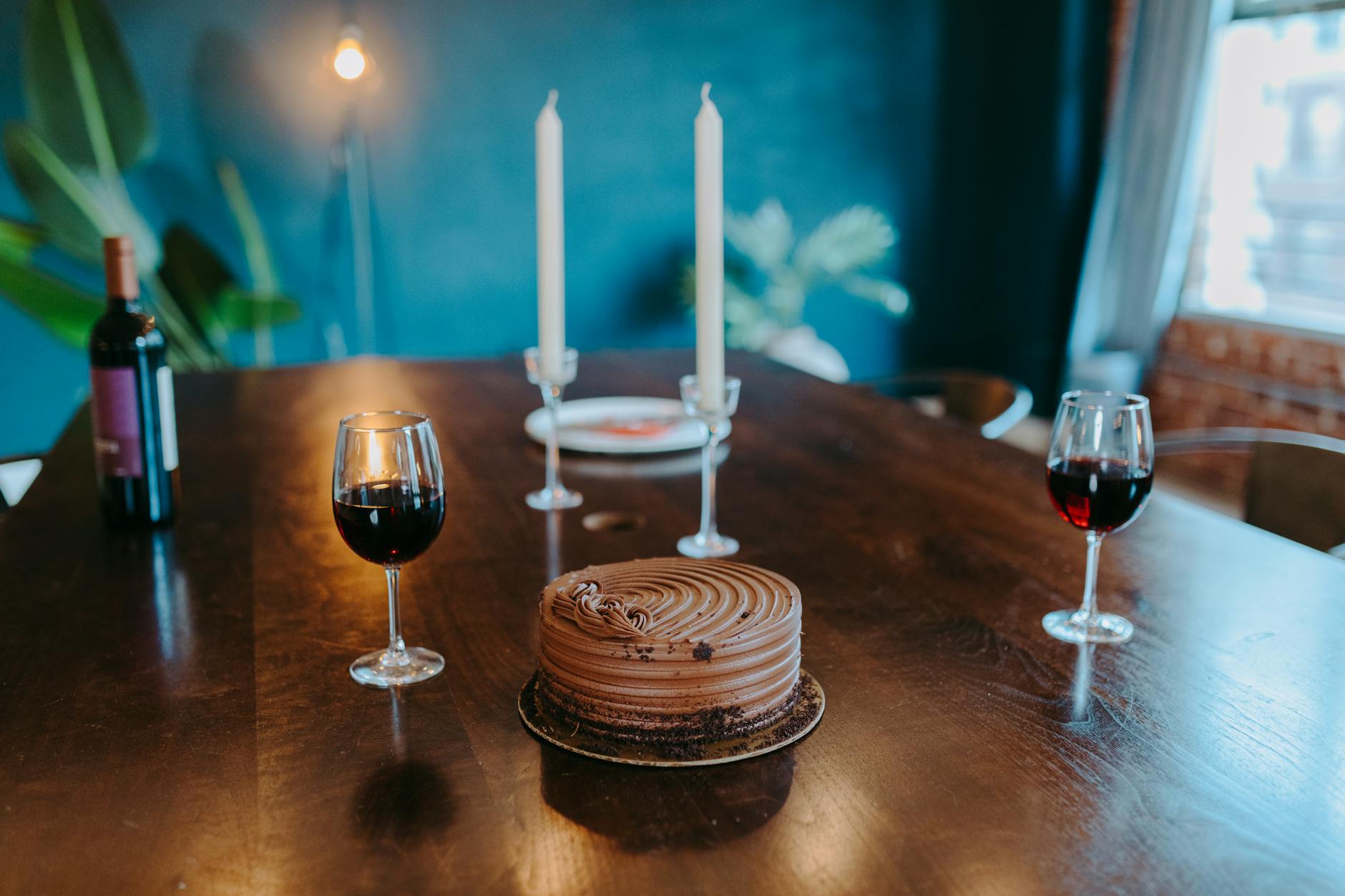
Which climate actually works better for an outdoor dinner?
Vietnam's weather is binary: rainy season (May–September) and dry season (October–April). Rooftops in the dry months (November–March) are flawless; monsoon rooftops require a covered backup structure or quick pivot indoors. Thailand's dry season runs November–April too, but the shoulder months (October, May) are less predictable. Bangkok's humidity year-round means sweat on the cake and wilting flowers by 9 p.m. Hanoi and Ho Chi Minh City rooftops in winter (December–February) stay cool and dry—ideal for a multi-hour dinner. Thailand wins on consistency if you book April–October; Vietnam wins on comfort if you pick the dry season.
How early do you need to book each country?
Vietnam rooftop venues—especially in Hanoi's Old Quarter or Saigon's District 1—operate on first-come, first-served for private events. We book 4–6 weeks ahead to secure a date and coordinate setup without clashing with walk-in customers or other private bookings. Small rooftops can fit only one party at a time. Thailand's larger venues (Bangkok's Sukhumvit corridor, Phuket beach clubs) have event calendars 8–12 weeks out but are more resilient to last-minute changes because they have multiple spaces. If you're flexible on dates, Vietnam allows faster booking (2–3 weeks in off-season); if you have a fixed date (a specific anniversary), Thailand is safer because venues hold blocks longer.
What hidden costs come with each setup?
Vietnam rooftop surprises often hide logistical surprises: narrow staircases mean flowers and a tiered custom cake must be assembled on-site, not pre-built. Rooftops lack dedicated loading areas, so we arrive early and work quietly to avoid alerting your partner. Electrical outlets are few; we budget for portable generators for lighting and music. Street-level noise (motorbikes, vendors) can bleed into audio—we scout and choose times (avoid 6–8 p.m. peak traffic). Thailand's rooftops typically have full event infrastructure: loading docks, power distribution, climate control. The trade-off: they're busier, less intimate, and the venue takes a cut of food and beverage, so a private dinner often requires a minimum spend or per-head charge. Vietnam feels cheaper upfront but requires more hands-on coordination; Thailand's all-inclusive model is cleaner but less flexible on menu and timing.
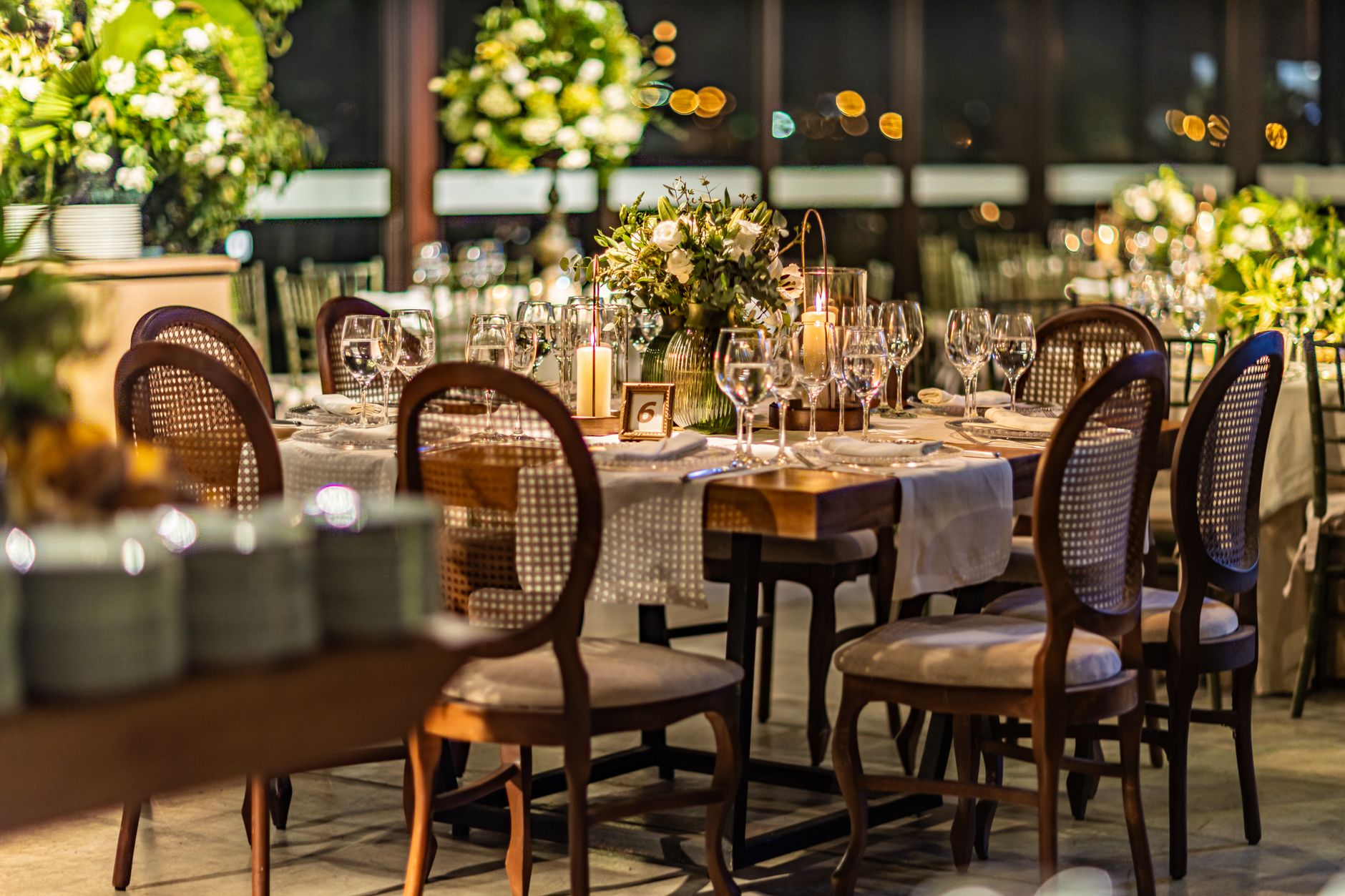
Can you really keep the surprise in either country?
Vietnam wins here by a mile. A rooftop dinner in a converted shophouse is invisible to passersby; staff are used to discreet private events and don't chatter. We brief the venue owner directly, confirm timing on WhatsApp the day-of, and often tell your partner a "casual rooftop drinks with a friend" to lower suspicion. Thailand's larger rooftops are harder to hide because they're more visible and public-facing—elevators, lobbies, valet areas. If secrecy is your priority (a proposal, an anniversary surprise), Vietnam's intimate venues are genuinely easier to keep quiet.
Comparison: Booking and Surprise Factors
| Factor | Vietnam | Thailand |
|---|---|---|
| Booking lead time | 4–6 weeks (smaller, intimate venues) | 8–12 weeks (larger, busier calendars) |
| Surprise difficulty | Very easy—off-the-radar, staff discreet | Harder—public arrival, more witnesses |
| Weather reliability | Dry season (Nov–Mar) flawless; monsoon risky | Consistent Oct–May; humid year-round |
| On-site setup constraints | Limited power, narrow stairs, noise management | Full infrastructure, multiple rooms, climate control |
| Flexibility (date changes, menu tweaks) | High (small venue, owner-operated) | Lower (corporate systems, pre-set packages) |
| Ideal for proposals/anniversaries | Yes—intimacy and secrecy built in | Yes—scale and guest experience |
How does Cáo Moments coordinate each style differently?
For Vietnam rooftops, we arrive 90 minutes early to assemble flowers, set the table, test lighting and music in real time, and brief staff on timing—no delays, no surprises. We scout the rooftop weeks ahead to measure sightlines, test phone signal (for photography coordination), and identify rain backup options (move inside? shorten to cocktail-only?). The photographer is positioned to stay hidden until the moment you sit; the videographer is briefed on natural light and stays in one fixed spot to avoid drawing attention. We use WhatsApp for all communication because venue owners and staff may not speak English fluently, and text leaves a clear paper trail.
For Thailand rooftops, coordination is more event-logistics: we meet the venue's event manager, confirm catering timing (is the appetizer at 7 p.m. or 7:15?), lock in the room setup 48 hours ahead, and brief the photographer/videographer on venue rules (no flash in the bar area, no tripods on the floor). The surprise is harder here, so we often coordinate directly with you: we arrange the transportation and confirm your partner will arrive at the lobby at a specific time, then hand off to the venue's concierge, who brings them upstairs. It's less invisible magic and more coordinated surprise.
Chat with a planner on WhatsApp
In practice, if you're torn: choose Vietnam for a proposal or intimate anniversary—the secrecy and raw intimacy are unmatched. Choose Thailand if you want to host friends or family, or if you prefer a larger, polished venue with zero logistical friction. Both countries let us handle flowers and custom arrangements, decor and lighting design, and photography and video capture, but the planning rhythm and risk profile are entirely different.
For a first-time celebration in Southeast Asia, book Vietnam 4–6 weeks out and trust the rooftop owner; for Thailand, allow 8–12 weeks and work closely with the venue's events team. Either way, tell us your moment, and we'll guide you through every decision.
What to check before you commit to either country
- Visa and travel timing: Vietnam requires advance visa (most countries, our current quote–our current quote, 1–3 weeks processing). Thailand offers visa-free or on-arrival for many nationalities. If you're tight on time, Thailand is safer.
- Rainy season dates: Check the exact monsoon calendar for your year and rooftop location. "Dry season" in Vietnam means May–September are risky; book November–April. Thailand is safer October–May but not immune.
- Rooftop weight limits: Tiered cakes, sound equipment, and a dozen flowers can be heavy. We always ask the venue owner for load-bearing specs before confirming.
- Your partner's fear of heights: Rooftops are not the vibe if they're uncomfortable with edges or wind. Many Vietnam rooftops have railings; Thailand's often have glass, which is visually open. Know this in advance.
- Local language and communication: Vietnam rooftop owners may speak minimal English; we translate. Thailand's tourism industry is English-friendly, but miscommunication on "private dinner" expectations is still common.
More planning and destination guides
For rooftop inspiration specific to your city, check our guides to romantic Hanoi moments and romantic Ho Chi Minh City celebrations. If you're considering Thailand, we work there too—WhatsApp us and we'll advise.
For other celebration types (proposals, elopements, honeymoons), see our full range of moments.

FAQ
Is a Vietnam rooftop actually cheaper than Thailand?
Upfront, yes—venue rental is lower. But on-site assembly of flowers, cake, and decor costs more labor in Vietnam because infrastructure is minimal. Thailand's all-in pricing is often clearer, though per-head minimums can be high. Ask us for a quote on WhatsApp and we'll break down real numbers for your specific setup.
Can we do a rooftop dinner during monsoon season in Vietnam?
Yes, if there's a covered section or a fast indoor backup. We've coordinated dozens during May–September, but you need a Plan B (move to the adjacent indoor lounge, shorten to cocktails only, reschedule). Never bet a proposal on an open rooftop in monsoon. Book Thailand in that window instead.
How many people can a typical Vietnam rooftop hold for a private dinner?
2–20 people, depending on the rooftop's size and shape. Most intimate venues (the ones best for proposals and anniversaries) max out at 8–12 seated guests. Thailand's rooftops often go 30–100+. If you're hosting a wedding or large group, Vietnam's smaller rooftops won't work.
Do we need to hire a translator for a Vietnam rooftop coordination?
No. We handle all Vietnamese communication on WhatsApp with the venue owner, photographer, florist, and cake maker. You don't speak directly to vendors—we translate, confirm, and manage the timeline. Thailand's venues are English-friendly, so this is simpler.
What's the biggest thing that goes wrong in rooftop planning?
Timing misalignment. The flowers arrive late, the cake isn't as tall as expected, the photographer gets stuck in traffic, your partner suspects something. We build 30-minute buffers into every step and have backup vendors on speed-dial. In Vietnam especially, narrow staircases mean we sometimes assemble the cake in two trips. Plan for chaos; we manage it.
Chat with a planner
Tell us the city, the date and the kind of moment. A planner replies on WhatsApp in English with ideas and what is possible.
FAQ
Is a Vietnam rooftop actually cheaper than Thailand?
Upfront, yes—venue rental is lower. But on-site assembly of flowers, cake, and decor costs more labor in Vietnam because infrastructure is minimal. Thailand's all-in pricing is often clearer, though per-head minimums can be high. Ask us for a quote on WhatsApp and we'll break down real numbers for your specific setup.
Can we do a rooftop dinner during monsoon season in Vietnam?
Yes, if there's a covered section or a fast indoor backup. We've coordinated dozens during May–September, but you need a Plan B (move to the adjacent indoor lounge, shorten to cocktails only, reschedule). Never bet a proposal on an open rooftop in monsoon. Book Thailand in that window instead.
How many people can a typical Vietnam rooftop hold for a private dinner?
2–20 people, depending on the rooftop's size and shape. Most intimate venues (the ones best for proposals and anniversaries) max out at 8–12 seated guests. Thailand's rooftops often go 30–100+. If you're hosting a wedding or large group, Vietnam's smaller rooftops won't work.
Do we need to hire a translator for a Vietnam rooftop coordination?
No. We handle all Vietnamese communication on WhatsApp with the venue owner, photographer, florist, and cake maker. You don't speak directly to vendors—we translate, confirm, and manage the timeline. Thailand's venues are English-friendly, so this is simpler.
What's the biggest thing that goes wrong in rooftop planning?
Timing misalignment. The flowers arrive late, the cake isn't as tall as expected, the photographer gets stuck in traffic, your partner suspects something. We build 30-minute buffers into every step and have backup vendors on speed-dial. In Vietnam especially, narrow staircases mean we sometimes assemble the cake in two trips. Plan for chaos; we manage it.
More like this
Private romantic dinners
Candlelight Dinner with Photographer in Saigon: Plan & Book
A candlelight dinner with a hidden photographer in Saigon means venue, custom lighting, flowers, a plated meal, and a photographer capturing genuine moments without guests noticing—all coordinated by a single planner on WhatsApp.
Private romantic dinners
Candlelight Dinner with Photographer in Hoi An
A candlelit dinner in Hoi An's lantern-lit streets becomes unforgettable when a photographer documents it unseen. We walk you through the setup, the decisions, and what actually happens on the night.
Private romantic dinners
Candlelight dinner with photographer in Hanoi
A candlelight dinner with a hidden photographer lets you relax and be present while we document your real reactions. We handle everything — venue setup, custom decor, floral arrangement, the photographer's timing — so you focus on each other.