 Cáo Moments
Home › Blog › Marriage proposal planning
Proposal at a Temple: Is It Allowed in Vietnam?
By the Cáo Moments team · 2026-11-01
Yes, you can propose at a temple in Vietnam, but you must obtain explicit permission from the temple authority first—never assume access is automatic. Most temples welcome respectful proposals during open hours (typically 7 am–5 pm), but photography, flowers, and decorations require advance approval; many restrict commercial setup or loud music entirely. You'll need to visit the temple office in person or contact the head monk/caretaker weeks ahead, explain your intention in Vietnamese or through a local coordinator, and accept their conditions without negotiation. Some temples decline entirely due to renovation, private ceremonies, or custom; others charge a small ceremonial donation (not a "fee"). Cáo Moments always coordinates this permission directly and scouts the site beforehand to confirm lighting, backup indoor space for rain, and safety. Budget 2–4 weeks for approval and plan your proposal date only after confirmation arrives.
Is temple access truly open to outsiders?
Most Vietnamese temples operate as active religious spaces, not wedding venues. Morning and late afternoon see fewer worshippers, but you cannot guarantee solitude or a "private" moment. Public temples—especially those on river walks or near tourist routes—see casual visitors daily; some locals meditate or pray during your setup. The temple does not "close" for a proposal. Permission grants you the right to be there quietly; it does not mean the temple will be empty or rearranged for you. Many couples underestimate this and feel awkward proposing while incense burns and strangers bow at altars nearby. We scout every temple in person, time your proposal between morning prayers (before 9 am) and lunch, and always identify a sheltered indoor alcove or side courtyard as a backup in case of foot traffic or unexpected ceremonies.
Chat with a planner on WhatsApp
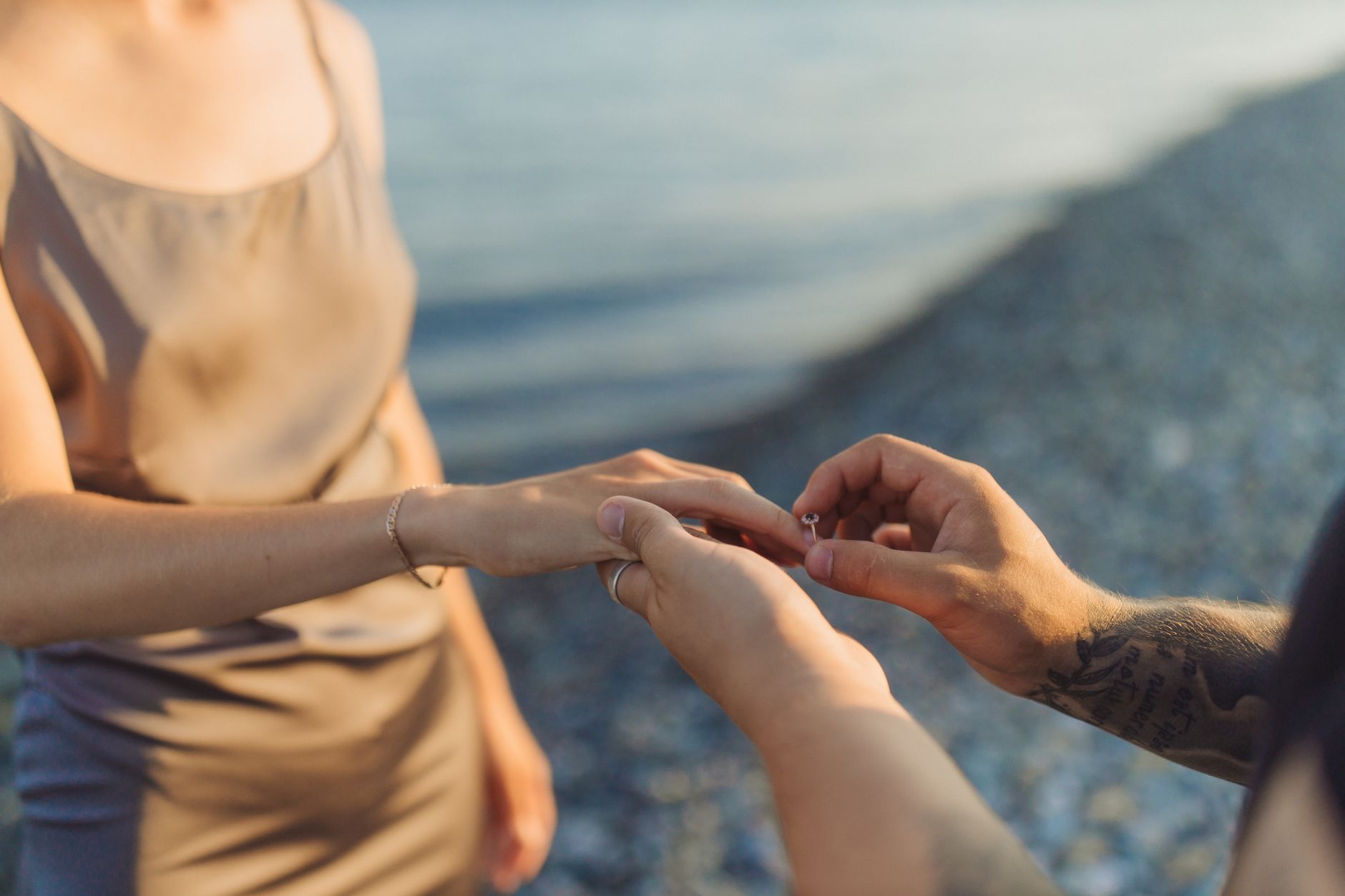
What flowers and decor are actually permitted?
Flowers are allowed—temples often use blooms in their own altars—but silk flowers, potted plants, or unattended bouquets sometimes breach custom. Fresh flowers arranged in hand or placed at an altar as an offering are safer than scattered petals or garland installations that require nails or adhesive. Incense, candles, or scented elements may clash with the temple's own ritual scents or fire safety rules. Decorative lighting (lanterns, fairy lights) is almost always declined because temples prohibit electrical modifications. The safest approach: hand-carried flowers and a bouquet that you place respectfully, no tape, no stands, no music. We work with florists who understand temple custom and source arrangements that feel ceremonial rather than commercial. Avoid bright balloons, branded signage, or anything that reads like an event rental.
How do we keep rain from ruining the moment?
Temple courtyards are exposed; monsoon season (May–September) brings sudden downpours. Asking the temple for an indoor permission—a covered hall, meditation room, or side shrine—is part of your site-scouting call weeks ahead. We always identify a dry backup spot and visit on the same weekday and time of year you plan to propose, so we experience the actual light and weather patterns. A small umbrella held together during the moment is romantic and practical; a hidden videographer under cover captures the emotion without a full crew getting soaked. Many couples move to a private indoor dinner immediately after if rain intensifies, which we coordinate with a nearby restaurant or romantic dinner setup as a backup venue. We brief you on a "go/no-go" weather decision 48 hours before—if a typhoon warning arrives, we reschedule without penalty (assuming you've booked a flexible date).

Do you need a special permit or license?
No formal wedding permit is required for a proposal—it is not a ceremony or legal event. However, the temple authority functions as the gatekeeper. If a monk or caretaker says no photography, you cannot hire a hidden photographer that day. If they restrict visitors on that date, the proposal cannot happen. We translate your request into Vietnamese, explain the timing and respectful nature of your plan, and confirm every constraint in writing (via WeChat or email from the temple) before you commit to a date. Some temples ask for a small donation (VND 200,000–500,000 equivalent) as a ritual offering; this is not a "fee" but a cultural gesture of gratitude and support. We never promise temple access until written confirmation is in hand. It adds 2–3 weeks to your timeline, but it eliminates last-minute cancellations.
What should your partner wear and how do you keep the secret?
Temple grounds are sacred; modest clothing (covered shoulders, knees below the knee) is essential for both of you—wear what you would wear to pray, not a formal gown or beach attire. If your partner suspects a proposal, the temple setting usually feels unexpected enough to preserve surprise. We keep the secret by booking all logistics directly (coordinator's phone, private WhatsApp, minimal staff on-site), giving you a plausible cover story (a casual temple visit or photo walk), and having only the photographer and one backup person present. We brief your partner's friend or family member separately, if needed, to ensure they're positioned safely away from sight. Timing is critical: we build in a 5-minute solo moment before the photographer emerges, so the initial shock and emotion belong to you and your partner alone. Many couples wear simple jewelry beforehand and change in a nearby café after the moment, so the proposal itself feels unrushed and genuine.
Chat with a planner on WhatsApp
Proposal at a Temple: Approval Checklist
| Step | Timeline | Owner | Notes |
|---|---|---|---|
| Identify 2–3 temples you love | Week 1 | You | Choose based on architecture, light, personal meaning. |
| Contact temple office in person or via local coordinator | Week 2 | Cáo Moments + you | Bring temple authority respect; explain proposal idea clearly. |
| Confirm approval in writing (email/WeChat) | Week 3–4 | Temple + Cáo Moments | Do not book a date without this. |
| Scout site: walk it same time/weekday as proposal date | Week 5–6 | Cáo Moments | Check light, rain cover, quiet hours, foot traffic. |
| Finalize flowers, backup venue, photographer timing | Week 6 | Cáo Moments + you | Confirm all constraints from temple approval. |
| Brief your partner on a plausible cover story | Day before | You | Casual visit, photo walk, or morning walk. |
| Weather check-in: go/no-go decision | 48 hours before | Cáo Moments | If typhoon warning, reschedule. |
| Dress modestly, arrive 15 min early | Morning of | You | Covered shoulders/knees; calm energy. |
| Propose. Moment captured. Celebrate afterwards at romantic dinner. | Day of | You + photographer | Hidden videographer captures reaction; no disruption to temple. |
Real obstacles couples face—and how we prevent them
Noise sensitivity. Temples often restrict loud music or amplified sound. We use a small, portable Bluetooth speaker or no music at all; silence and natural temple sounds (bells, wind chimes) often feel more sacred anyway. We test audio levels on-site beforehand.
Foot traffic surprises. A monk may enter the courtyard mid-proposal, or tourists may wander through. We time proposals during low-traffic windows (early morning or mid-afternoon) and position you so a sudden visitor doesn't break the moment—the photographer has an angle that keeps your moment private while the backdrop stays authentic.
Backup plan confusion. If the temple suddenly closes on your date (rare but real), we have a named fallback restaurant or private dinner venue already scouted and ready. You don't scramble—we activate it quietly, and the moment still happens.
Flower or decor rejection. A temple approves the proposal but declines specific flowers or setup on the day. We bring minimal decor (a hand bouquet, no installations) and keep a second small flowers arrangement in reserve in case the first is questioned. Flexibility on the day saves the proposal.
Rain without a shelter plan. We visit the temple on a rainy day (or the same season as your proposal date) to confirm indoor options. No guessing. If the temple has no covered hall, we shift the proposal indoors at a museum, gallery, or private space and photograph it there, then walk to the temple for post-moment photos once rain clears.
What to check before you propose at a temple
- Permission is written and specific. Email or WeChat confirmation from the temple—not a verbal yes from a staff member you met once. Specify date, time, number of people (you, partner, 1 photographer, 1 coordinator).
- Rain backup exists. Ask the temple for an indoor option; scout it yourself. Do not rely on "we'll figure it out."
- Photography is explicitly allowed. Some temples say no commercial cameras or video. Confirm a single hidden photographer and videographer (if any) is acceptable.
- Your partner can dress modestly. Plan an outfit that covers shoulders and knees without looking costume-like. A simple dress or trousers, light jacket, closed shoes.
- You have a plausible cover story. "We're visiting the temple for a morning walk" or "taking photos for a friend's project." Nothing that raises suspicion days before.
- Timing avoids ceremonies. Ask when monks pray, when tourists peak, when the temple is quietest. Early morning (7–8:30 am) usually works; lunch hours are calmer than mid-morning.
- Accessibility is confirmed. Walk the temple grounds yourself. Are there steps, uneven paths, or obstacles your partner might trip on? Is there a safe place to kneel or stand for the proposal?
- Decor is minimal. One bouquet, no balloons, no installations. Respect the space.
Chat with a planner on WhatsApp | Tell us about your moment
Pages from our team you may need

FAQ
Can we decorate a temple altar with flowers for the proposal?
Never without explicit temple permission—and most decline to avoid distracting from their own offerings. Holding a bouquet in your hands or laying it respectfully as a single gesture is acceptable. Ask the temple during your site visit.
What if the temple says no to photos or video?
Respect their answer completely. Some temples prohibit commercial cameras on religious grounds. We work with temples to find alternatives: a phone-only moment, a candid shot by a disguised friend, or a proposal shift to a nearby secular venue like a garden or riverside spot. Honesty here prevents legal or cultural friction.
How much does a temple proposal cost in terms of donation?
Donations vary by temple and location; we ask during our coordination call and guide you on what feels appropriate. It is a cultural offering, not a venue fee. Ask us for guidance on the specific temple you choose.
Can we bring our own musician or DJ to play at the temple?
Almost always no. Temples restrict amplified sound and external entertainment. We use ambient silence, natural temple sounds, or a single portable speaker at very low volume—and only if the temple approves beforehand. A quiet moment is often more meaningful anyway.
What happens if it rains and we didn't plan an indoor backup?
The proposal becomes rushed and stressful. We prevent this by scouting the temple on a rainy day and securing a named indoor space (covered hall, side room, or nearby venue) as a backup. If the temple has no indoor option, we reschedule or shift to a dry alternative nearby—decided 48 hours before your date.
Do we need to book a specific time slot, or can we just show up?
You need written approval for a specific date and time window. Temples do not hold "slots," but they will tell you when they're quieter and when ceremonies happen. We confirm this and ensure you arrive within the approved window. Showing up unannounced after approval risks being turned away if something has changed.
Can we do a temple proposal during a festival or holiday?
Many temples are closed or crowded during major holidays (Lunar New Year, Buddha's birthday). Festival days attract large crowds and may prevent a private moment. We advise choosing a regular weekday or weekend and avoid national holidays. Ask the temple which dates they prefer.
Is a temple proposal legal in Vietnam? Do we need a license?
A proposal is not a legal ceremony—no license is required. However, you must respect the temple's authority and rules. Written permission from the temple replaces any "legal" requirement. Proposing without permission could be asked to leave or cause offense. --- Chat with a planner on WhatsApp | Tell us about your moment Ready to propose? Explore our proposal planning services. If you'd like us to manage the entire moment—venue coordination, hidden photographer and videographer, flowers, and a romantic dinner afterwards—tell us about your moment on WhatsApp. We handle temple permission, scouting, and every detail so your proposal is both respectful and unforgettable.
Chat with a planner
Tell us the city, the date and the kind of moment. A planner replies on WhatsApp in English with ideas and what is possible.
FAQ
Can we decorate a temple altar with flowers for the proposal?
Never without explicit temple permission—and most decline to avoid distracting from their own offerings. Holding a bouquet in your hands or laying it respectfully as a single gesture is acceptable. Ask the temple during your site visit.
What if the temple says no to photos or video?
Respect their answer completely. Some temples prohibit commercial cameras on religious grounds. We work with temples to find alternatives: a phone-only moment, a candid shot by a disguised friend, or a proposal shift to a nearby secular venue like a garden or riverside spot. Honesty here prevents legal or cultural friction.
How much does a temple proposal cost in terms of donation?
Donations vary by temple and location; we ask during our coordination call and guide you on what feels appropriate. It is a cultural offering, not a venue fee. Ask us for guidance on the specific temple you choose.
Can we bring our own musician or DJ to play at the temple?
Almost always no. Temples restrict amplified sound and external entertainment. We use ambient silence, natural temple sounds, or a single portable speaker at very low volume—and only if the temple approves beforehand. A quiet moment is often more meaningful anyway.
What happens if it rains and we didn't plan an indoor backup?
The proposal becomes rushed and stressful. We prevent this by scouting the temple on a rainy day and securing a named indoor space (covered hall, side room, or nearby venue) as a backup. If the temple has no indoor option, we reschedule or shift to a dry alternative nearby—decided 48 hours before your date.
Do we need to book a specific time slot, or can we just show up?
You need written approval for a specific date and time window. Temples do not hold "slots," but they will tell you when they're quieter and when ceremonies happen. We confirm this and ensure you arrive within the approved window. Showing up unannounced after approval risks being turned away if something has changed.
Can we do a temple proposal during a festival or holiday?
Many temples are closed or crowded during major holidays (Lunar New Year, Buddha's birthday). Festival days attract large crowds and may prevent a private moment. We advise choosing a regular weekday or weekend and avoid national holidays. Ask the temple which dates they prefer.
Is a temple proposal legal in Vietnam? Do we need a license?
A proposal is not a legal ceremony—no license is required. However, you must respect the temple's authority and rules. Written permission from the temple replaces any "legal" requirement. Proposing without permission could be asked to leave or cause offense. --- [💬 Chat with a planner on WhatsApp](https://wa.me/84338762340) | 💍 Tell us about your moment Ready to propose? [Explore our proposal planning services](/proposal). If you'd like us to manage the entire moment—venue coordination, [hidden photographer and videographer](/photo-video), flowers, and a romantic dinner afterwards—tell us about your moment on WhatsApp. We handle temple permission, scouting, and every detail so your proposal is both respectful and unforgettable.
More like this
Marriage proposal planning
Best Places for Surprise Proposal in Da Lat: A Planner's Guide
Da Lat's misty highlands and romantic architecture make it Vietnam's premier proposal destination. We share exactly where couples say yes, what to book first, and how we choreograph the surprise from start to finish.
Marriage proposal planning
Best Places for Surprise Proposal in Ninh Binh: Hidden Gems & Planning Tips
Ninh Binh's dramatic landscape—limestone peaks, river valleys, and ancient temples—creates natural proposal venues. We help couples choose the right spot, manage weather, and coordinate every detail so you focus on the moment.
Marriage proposal planning
Best Places for Surprise Proposal in Ha Long Bay
Ha Long Bay offers dramatic limestone backdrops and private water settings ideal for proposals. We reveal the best locations, timing, and how to orchestrate a flawless moment with professional coordination.