 Cáo Moments
Home › Blog › Private romantic dinners
Private Dinner Vietnam vs Bali: Where to Plan Your Moment
By the Cáo Moments team · 2026-11-01
A private dinner in Vietnam typically happens in Hanoi, Ho Chi Minh City, Da Nang, Hoi An, or Phu Quoc, with venues ranging from rooftop terraces overlooking rivers to lantern-lit gardens and intimate boutique hotel suites; dinners last 2–4 hours and include catering, custom florals, decor, lighting, and often a hidden photographer. Bali offers similar venue types—clifftop pavilions, beachfront tables, rice-paddy setups—but with a different cultural feel and longer flight times from Europe or North America. Vietnam's monsoon season (May–September in the north, September–November in the south) requires rain contingencies; Bali's dry season runs April–October. Both destinations charge similar ranges for full coordination, though Vietnam often has lower venue and labor costs. Cáo Moments coordinates every detail by WhatsApp in both regions; the real difference lies in your travel timeline, weather comfort, and the aesthetic you want. Choose Vietnam for river-city energy, colonial gardens, or lantern charm; choose Bali for ocean drama and lush tropical landscape.
How do weather patterns affect your dinner timing?
Vietnam splits into distinct seasons by region. Northern zones (Hanoi) see cold, dry winters (November–March) and humid summers; central and southern regions (Ho Chi Minh City, Phu Quoc) have a rainy season May–September. Bali's dry season (April–October) is most reliable; November–March brings afternoon downpours. We plan outdoor dinners around these windows and always prepare covered backup spaces or quick-shift-indoors protocols. If you're set on a specific date, knowing your region's weather baseline helps us choose between rooftop venues with canopies, beachfront pavilions with sidewalls, or indoor-outdoor hybrid setups. Timing your dinner for dry season in either destination reduces stress and gives your photographer better light.
Chat with a planner on WhatsApp
Which destination offers more venue variety?
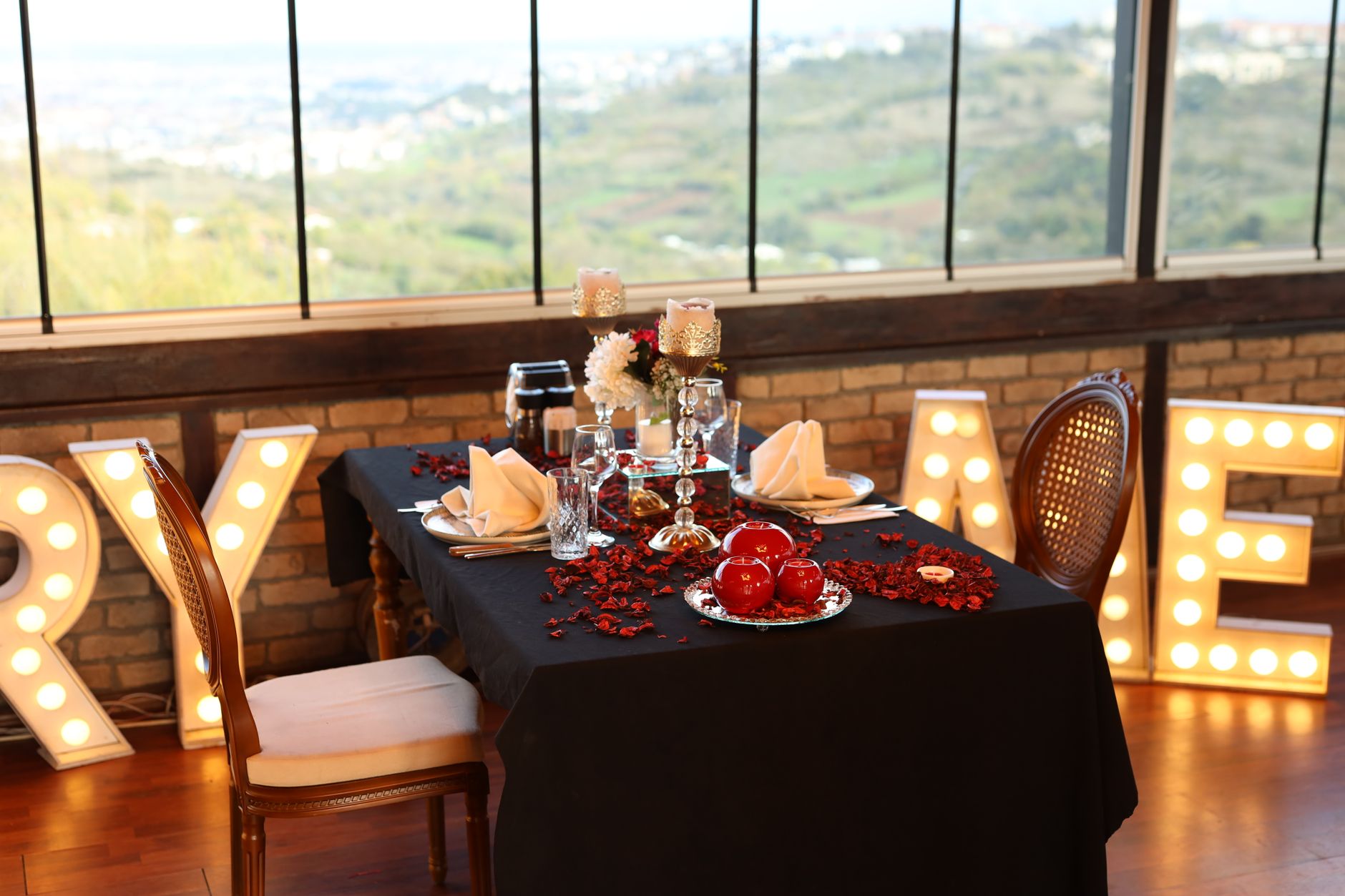
Vietnam's cities—especially Hanoi, Ho Chi Minh City, Da Nang, and Hoi An—feature river-view rooftops, colonial-era gardens, lantern-lit old-town streets, and modern boutique hotel suites with skyline views. Phu Quoc adds beach pavilions and resort garden setups. Bali concentrates heavily on clifftop temples, rice-field overlooks, and beachfront infinity-edge tables—gorgeous but more visually repetitive across venues. Vietnam's mix of urban, heritage, and island settings gives couples more options to match their aesthetic. Both regions have venues that can host 2–50 people comfortably. If variety and urban energy matter to you, Vietnam edges ahead; if you want one iconic landscape (ocean or rice fields), Bali wins.
What's the real difference in logistics and coordination?
Vietnam's domestic infrastructure—flights between cities, local vendor networks, English-speaking coordination teams—is well-established. We communicate with florists, cake makers, catering teams, and photographers over WhatsApp and can resolve issues quickly because vendors respond within hours. Bali requires similar planning but often involves slightly longer email chains and vendor-response delays. International flights to Ho Chi Minh City or Hanoi are generally cheaper and more frequent than to Bali from most Western cities. Ground transport in Vietnam's cities is easier to arrange; Bali's island layout means longer drives between venues. If you're coordinating from abroad and value rapid team communication, Vietnam's logistics favor faster decision-making and fewer delays.
How does the dining experience differ between regions?
Vietnamese private dinners often blend French colonial architecture, Chinese-influenced gardens, or ultra-modern rooftop minimalism with Southeast Asian cuisine—think fresh herbs, river prawns, and locally sourced meats prepared tableside or in open kitchens visible from your table. Service tends to be formal and attentive. Bali dinners emphasize tropical theatre: ocean sunsets, temple silhouettes, rice-paddy vistas, and Indonesian-fusion cuisine with coconut, spice, and seafood. The atmosphere is more resort-like and leisure-paced. Vietnam's dining culture emphasizes craft and precision; Bali emphasizes landscape and sensory drama. Neither is objectively better—it depends whether you want a refined, ingredient-focused evening (Vietnam) or an immersive scenic experience (Bali).
What should you decide before choosing a destination?
Use this framework to narrow your choice:
| Factor | Vietnam | Bali | Your Priority |
|---|---|---|---|
| Dry season window | Oct–Mar (north); Dec–Feb (south) | Apr–Oct | When can you travel? |
| Typical venue aesthetic | Urban, garden, lantern, rooftop | Beach, rice, temple, clifftop | Prefer city or nature? |
| Flight time (from US East Coast) | ~18–20 hrs | ~20–24 hrs | How much travel time? |
| Venue + catering cost basis | Lower labor, competitive rates | Higher venue markup, labor-intensive | Relative budget flexibility? |
| Vendor response time | 2–4 hours (WhatsApp) | 4–8 hours (email-heavy) | Need quick decisions? |
| Guest count flexibility | 2–500 easily scalable | 2–200 (venue-dependent) | How many people? |
Ask yourself: Do I want urban sophistication and fast coordination, or pristine nature and resort luxury? The answer narrows your search immediately. Then contact us with your dates and guest count; we'll propose 3–4 specific venues in your chosen destination within 24 hours.
How do flowers, cakes, and decor differ by destination?
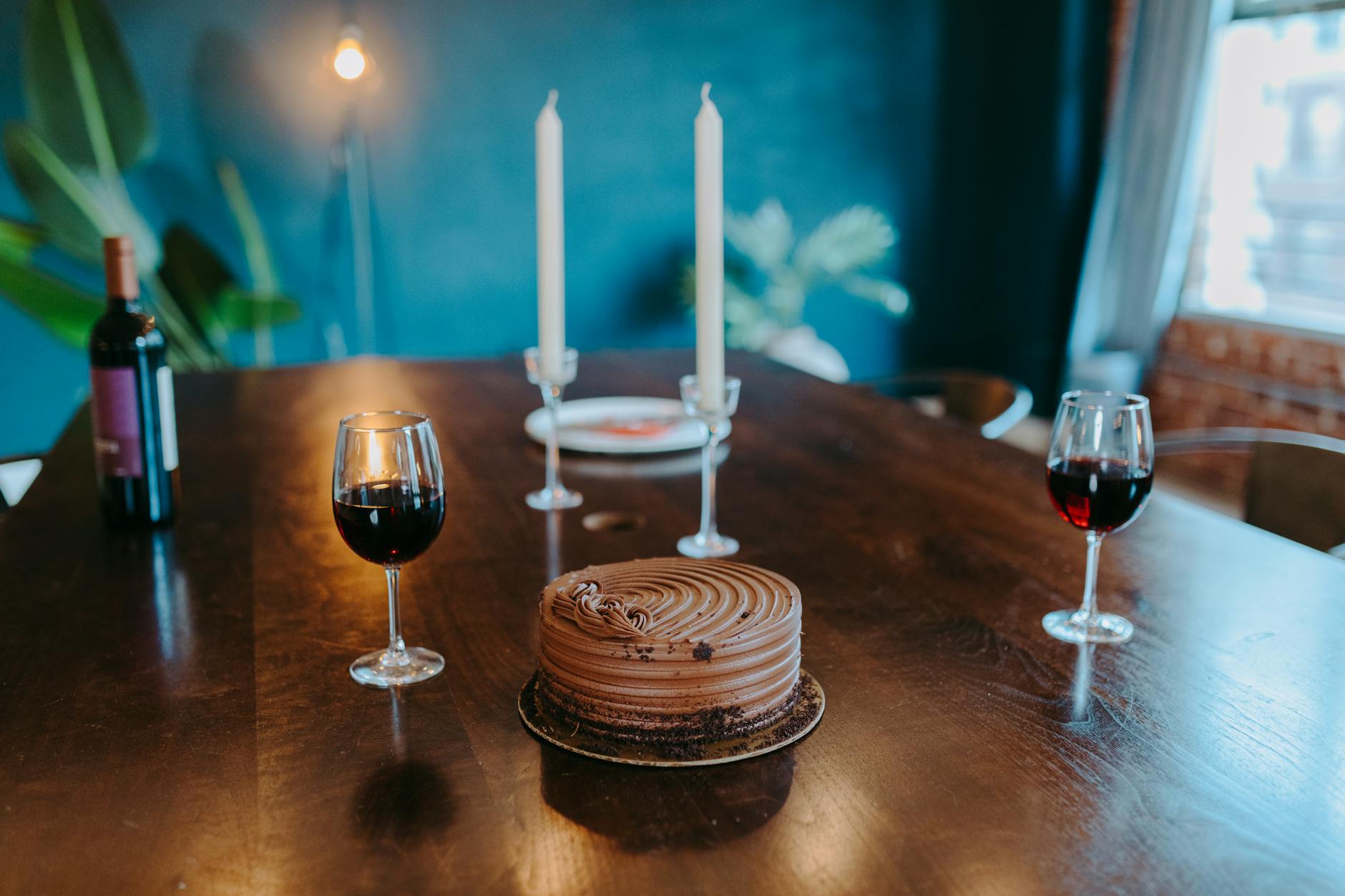
Vietnam's florists excel with locally grown orchids, chrysanthemums, and tropical blooms year-round; custom cake makers can produce intricate designs with fresh fruit and delicate sugar work, often delivering to venues within hours of your dinner. Decor vendors here pivot fast from warehouse stock to bespoke setups. Bali's flower availability is seasonal (abundant May–September); bakers often work from resort kitchens and have longer lead times. If your vision includes specific floral arrangements or a multi-tiered custom cake with fresh berries and hand-painted details, Vietnam's vendor ecosystem executes faster and with fewer delays. For a romantic dinner setup that relies on last-minute tweaks, Vietnam's same-day coordination is a real advantage.
What about photography and hidden cameras?
Both destinations have skilled photographers and videographers. Vietnam's urban venues offer diverse backdrops—lantern-lit alleyways, rooftop skylines, river bends—and our videographers are practiced at shooting in low light and capturing movement across multiple locations. Bali's strength is landscape: a photographer can frame you against a sunset over terraced rice or a clifftop ocean view. Logistics differ: in Vietnam, a photographer can scout a venue in person the day before and plan lighting angles; in Bali, scouting often happens via video call and WhatsApp photo exchanges due to distance. If you want a hidden-camera reveal during your dinner, Vietnam's venues and lighting setups tend to hide equipment more seamlessly (rooftop railings, garden alcoves, nearby rooms).
Honest trade-offs to weigh
Vietnam: Slower English spoken by some vendors (mitigated by our team as interpreter); monsoon rain is more aggressive in the south; cities can feel crowded near your venue if you choose a public area. Bali: Higher upfront costs; longer inter-island transport; fewer last-minute vendor pivots; less culinary variety if you don't eat Indo-fusion happily. Neither destination is objectively superior—each suits different travel styles and aesthetic priorities.
What to check before you decide
- Your actual travel dates: Check monsoon windows for your chosen region. If you're locked into June–August, Bali's April–October dry season might suit you better.
- Guest list size: Vietnam scales from 2 to 500 easily; Bali's iconic venues cap around 100–150 comfortably.
- Cuisine preference: Are you set on Vietnamese flavors, or do you want something fusion-forward (Bali)? Dietary restrictions matter more in Bali due to fewer specialized caterers.
- Vendor response culture: If real-time coordination (same-day changes, rapid problem-solving) matters psychologically, Vietnam's WhatsApp-native teams reduce friction.
- Whether you want a photographer hidden during dinner or a more formal setup: Vietnam's urban venues hide cameras more naturally; Bali's landscape dinners sometimes require visible documentation.
Chat with a planner on WhatsApp
For a proposal moment, anniversary celebration, honeymoon surprise, or any special date, the destination choice cascades into every detail. We've run intimate dinners in both regions and can match your vision to the right one. Reach out with your dates, guest count, and aesthetic wish—we'll show you 3–4 venue options and timelines within 24 hours.
FAQ
Is a private dinner in Vietnam cheaper than Bali?
Not always. Venue and labor costs in Vietnam run lower, but Bali's boutique hotels and clifftop pavilions often overlap with Vietnam's high-end pricing. The real saving comes from shorter travel distances within Vietnam (lower ground transport) and faster vendor turnaround, which reduces coordination overhead.
Can we move a dinner indoors if it rains?
Yes, if we've pre-booked a backup space or a venue with covered areas. In Vietnam, rainy-season dinners are almost always hybrid indoor-outdoor setups. In Bali, dry season (April–October) minimizes this need. Always discuss rain protocols with your planner before booking; it's part of our planning from day one.
Which destination is better for a surprise proposal dinner?
Both work equally well. Vietnam's proposal setups use hidden photographers in urban venues and gardens; Bali's use ocean or landscape backdrop. The difference is logistics: Vietnam's faster vendor response means fewer miscommunications if you're coordinating surprises across multiple parties. Choose based on your partner's aesthetic preference, not destination difficulty.
How far in advance should we book?
Ideally 6–8 weeks for high-quality custom cakes and vendor alignment in either destination. Peak seasons (November–February in Vietnam; May–June in Bali) need 10+ weeks. We can accommodate 2–3 week timelines if vendors have availability, but expect higher rush fees and fewer decoration options.
Do we need to speak Vietnamese or Indonesian?
No. We coordinate entirely in English on WhatsApp, liaising between you and all vendors. Language barriers are our responsibility, not yours.
Chat with a planner
Tell us the city, the date and the kind of moment. A planner replies on WhatsApp in English with ideas and what is possible.
FAQ
Is a private dinner in Vietnam cheaper than Bali?
Not always. Venue and labor costs in Vietnam run lower, but Bali's boutique hotels and clifftop pavilions often overlap with Vietnam's high-end pricing. The real saving comes from shorter travel distances within Vietnam (lower ground transport) and faster vendor turnaround, which reduces coordination overhead.
Can we move a dinner indoors if it rains?
Yes, if we've pre-booked a backup space or a venue with covered areas. In Vietnam, rainy-season dinners are almost always hybrid indoor-outdoor setups. In Bali, dry season (April–October) minimizes this need. Always discuss rain protocols with your planner before booking; it's part of our planning from day one.
Which destination is better for a surprise proposal dinner?
Both work equally well. Vietnam's [proposal setups](/proposal) use hidden photographers in urban venues and gardens; Bali's use ocean or landscape backdrop. The difference is logistics: Vietnam's faster vendor response means fewer miscommunications if you're coordinating surprises across multiple parties. Choose based on your partner's aesthetic preference, not destination difficulty.
How far in advance should we book?
Ideally 6–8 weeks for high-quality [custom cakes](/cake) and vendor alignment in either destination. Peak seasons (November–February in Vietnam; May–June in Bali) need 10+ weeks. We can accommodate 2–3 week timelines if vendors have availability, but expect higher rush fees and fewer decoration options.
Do we need to speak Vietnamese or Indonesian?
No. We coordinate entirely in English on WhatsApp, liaising between you and all vendors. Language barriers are our responsibility, not yours.
More like this
Private romantic dinners
Candlelight Dinner with Photographer in Saigon: Plan & Book
A candlelight dinner with a hidden photographer in Saigon means venue, custom lighting, flowers, a plated meal, and a photographer capturing genuine moments without guests noticing—all coordinated by a single planner on WhatsApp.
Private romantic dinners
Candlelight Dinner with Photographer in Hoi An
A candlelit dinner in Hoi An's lantern-lit streets becomes unforgettable when a photographer documents it unseen. We walk you through the setup, the decisions, and what actually happens on the night.
Private romantic dinners
Candlelight dinner with photographer in Hanoi
A candlelight dinner with a hidden photographer lets you relax and be present while we document your real reactions. We handle everything — venue setup, custom decor, floral arrangement, the photographer's timing — so you focus on each other.