 Cáo Moments
Home › Blog › Private romantic dinners
Private Dinner in a Cave Vietnam: Plan Yours with Cáo Moments
By the Cáo Moments team · 2026-11-01
A private cave dinner in Vietnam is a full-night experience: you're seated in a natural or semi-lit cave chamber with a table for two, a custom meal (handled by us or a partner kitchen), fresh flowers, string lights or lanterns, and a hidden photographer capturing the moment. Most caves suitable for dining sit within 30–90 minutes of Hanoi, Ho Chi Minh City, Da Nang, or Hoi An; the actual dinner lasts 90–150 minutes depending on your menu and pacing. We at Cáo Moments handle site scout, weather backup (many caves have shelter, but rain timing matters), generator or battery power for lighting and music, table setup, floral design, a custom-baked dessert brought fresh, and discreet photo and video coverage. Cost depends on guest count, cave accessibility, meal sourcing, and decor complexity—ask us for a quote on WhatsApp. The biggest pitfall is arriving without a clear backup if the weather turns or the cave access narrows; we plan for that from day one.
A private dinner inside a natural cave combines the thrill of discovery with the intimacy of candlelight and curated food. We coordinate every detail—venue, decor, custom cake, lighting & photography—so the moment feels effortless for you.
Why do couples choose caves over traditional restaurants?
Caves offer privacy, drama, and a sense of adventure that rooftops or hotel suites don't touch. You're not visible to strangers. The stone walls and natural echoes create acoustic intimacy—your conversations stay between you two. Most caves have a sculptural quality; the space itself becomes part of the memory. For proposals and anniversaries especially, a cave removes the audience anxiety. We've coordinated dinners where the couple said later that the cave's silence made them actually listen to each other for the first time in months.
How much planning time do we actually need?
For a cave dinner, we recommend 8–12 weeks lead time. Here's why: cave access isn't guaranteed year-round (some close in rainy season for safety), and good sites book with other events. We need 2–3 weeks to scout your preferred cave, confirm generator capacity, test lighting in person (what looks romantic in a photo needs different angles in person), and coordinate with the meal provider. Then 4–6 weeks to source fresh flowers, order a custom cake that won't crack during transport on rocky terrain, finalize the photographer's route in, and plan rain backup. If you're booking in monsoon season (May–September in northern regions, September–November in the south), add another 2 weeks for contingency—we may need to shift your date by a day or two. Rushing a cave dinner leads to forgotten details: we've seen couples arrive to find the generator left behind, or the cake delayed because no one measured the cave entrance. We build in buffer from the start.
Chat with a planner on WhatsApp
What decisions do you need to make before we scout?
Start with three questions: Location: Which region? (Hanoi area, central coast, Saigon region, Phu Quoc). Guest count: Just you two, or parents/close friends present at the start? Meal style: Will you bring your own prepared food (we pick it up and plate it at the cave), use a nearby restaurant that does delivery, or hire an on-site caterer? Each choice changes logistics. A cave near Hoi An with a 5-person intimate group and a local restaurant doing plating is different from a two-person proposal in a more remote northern cave where we bring everything in ourselves. We've also found that couples often assume "the cave" is one size—it isn't. Some caves have a small, flat alcove perfect for a table; others require hiking to a chamber, or have low ceilings, or echo so much that music feels overwhelming. Early on, we show you photos and ask: "Would you hike 15 minutes with your partner in light hiking boots to reach a more secluded chamber, or do you prefer a cave entrance that's accessible by short walk?" That answer shapes which sites we even consider.
How do we handle rain, wind, and power in a cave?
Natural caves are dry and sheltered by nature—rain itself isn't the problem. The real risks are access, slippery paths, and generator placement. If a cave sits below a mountain slope, heavy rain upstream can flood the entrance; we scout that before booking. Muddy trails mean you'll arrive wet or your planner will—we account for entry prep (towels, clear shoe-off area). Wind doesn't affect inside a cave, but if your venue has a cave mouth facing weather, we angle candles and secure decor with fishing line and low-profile weights. Power is our biggest variable: small caves have zero electricity, so we bring a quiet portable generator (we test the noise beforehand; it sits 20+ meters away, muffled). Larger, tourism-adjacent caves sometimes have built-in power—we verify that in person. We never assume. Backup plan: if power fails, we shift to full candlelight (we keep 40–60 candles in the van, tested for burn time and fragrance compatibility with your meal). The honest truth: caves are romantic partly because they require contingency thinking. We embrace that.
| Risk | Our standard check | Backup we carry |
|---|---|---|
| No power at cave | Test outlets/generator capacity in scouting visit | Portable battery packs for lights, full candle setup |
| Muddy or slippery access | Walk the route post-rain, measure elevation change | Grip mats, towels at entrance, adjusted footwear recs |
| Weather changes date | Book cave 2–3 days post-heavy rain to monitor | Rain date clause in venue agreement, alternate indoor cave site |
| Flowers wilt from moisture/cave air | Choose sturdy, low-humidity species; test cloches | Fresh backup bouquet in cool container, day-of refresh |
| Generator fails during dinner | Test before guest arrival, keep fuel on-site | Full candle scheme already prepared, phone torch backup |
What does the full setup look like on the day?
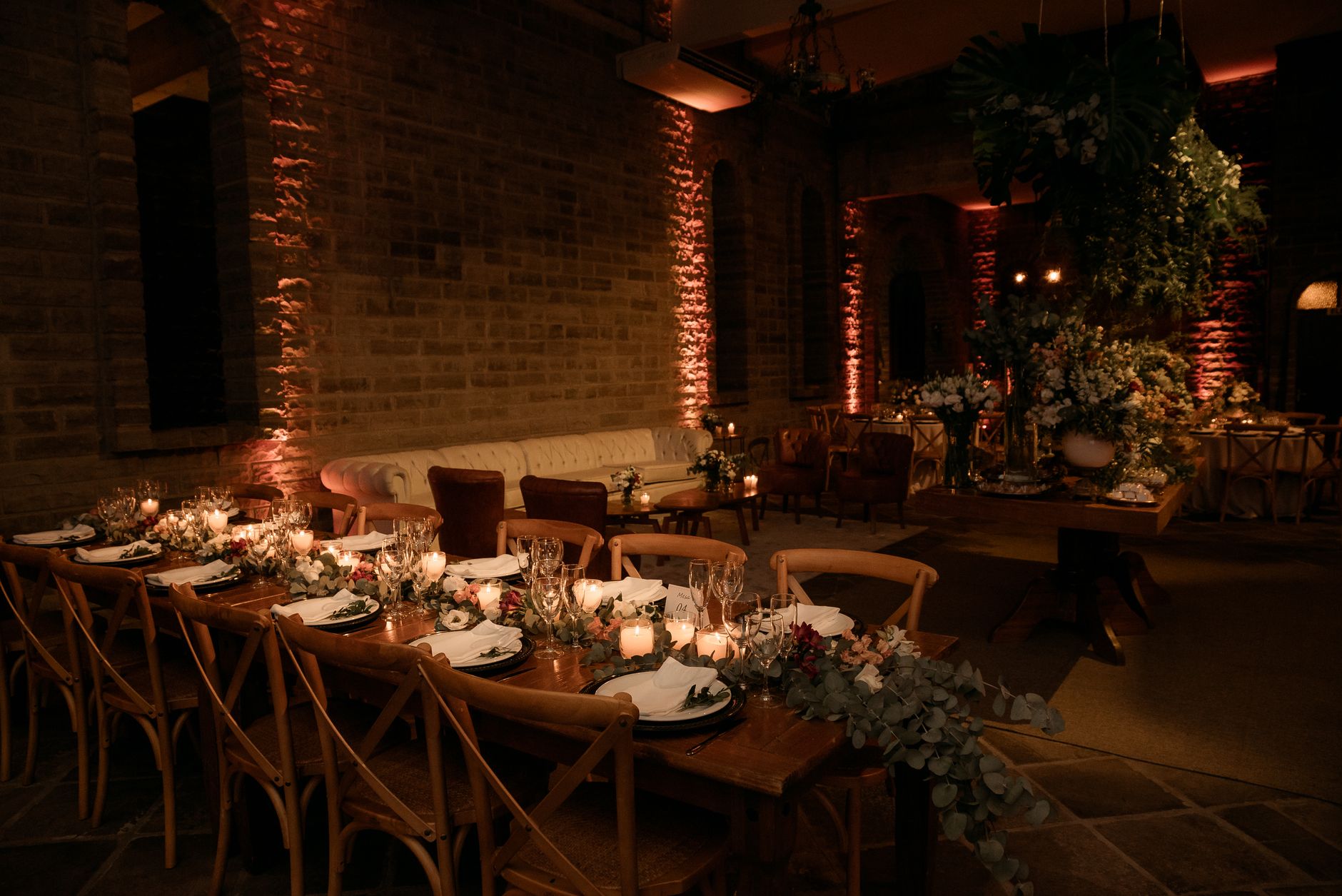
We arrive 3–4 hours before your arrival. First: power on, lighting test (string lights, candles, accent uplighting if available), floral arrangement in final position, furniture level and cloth-draped, music source and speaker test. Your cake and any drink chilling happen second. We do a full walk-through of your arrival path—where you'll see the first candles, which direction you'll walk, the moment you see the table. The photographer scouts angles and hides a discrete vantage (usually a second alcove 10–15 meters away, or a camera on a tripod with remote). Then we step back. When you arrive, you see the space as designed; we're in the background or entirely out of sight. The meal service depends on your choice: if we're plating, your planner handles that quietly between courses. If a restaurant is doing it, we coordinate their arrival and departure. Your cake and sparkling cider or champagne come out at a moment we've pre-discussed. The photographer is running the entire time—capturing your reaction to the space, the meal, the dessert moment, the kiss. We keep the moment unhurried. Most cave dinners last 2.5–3 hours start to finish, which is longer than a restaurant but still feels intimate, not dragging.
How do we keep the surprise if you're planning a proposal?
Secrecy is the hardest part of a cave proposal, and we take it seriously. Here's our protocol: All WhatsApp coordination happens with one person only—usually the proposer. We never message the other partner, tag both on social media, or mention Cáo Moments by name in group chats. We send you a private code name for your moment (e.g., "Eagle's Rest," after your cave site). If you need to share logistics with a family member who'll help with timing, they get a separate, minimal brief: "Your daughter will be picked up at 6 PM on [date]" with no mention of why. We've had proposers ask: "Can my mom know?" Yes—but not your partner. We've also had partners accidentally see a WhatsApp notification on a shared iPad. Our solution: we call instead of WhatsApp for sensitive details in the final week. For the actual day, we brief the photographer and any restaurant staff with a simple rule: "If the guest mentions marriage or asks about timing, say nothing." It sounds dramatic, but one loose sentence ("Oh, your partner is going to love what he's planned") has killed a surprise. We've planned enough proposals to know the tells—we avoid creating them.
For anniversary celebration planning and honeymoon moments, secrecy is different (often no surprise), so we're more relaxed. For proposals, we're paranoid in the right way.
Chat with a planner on WhatsApp

What makes the decor and flowers work in a cave?
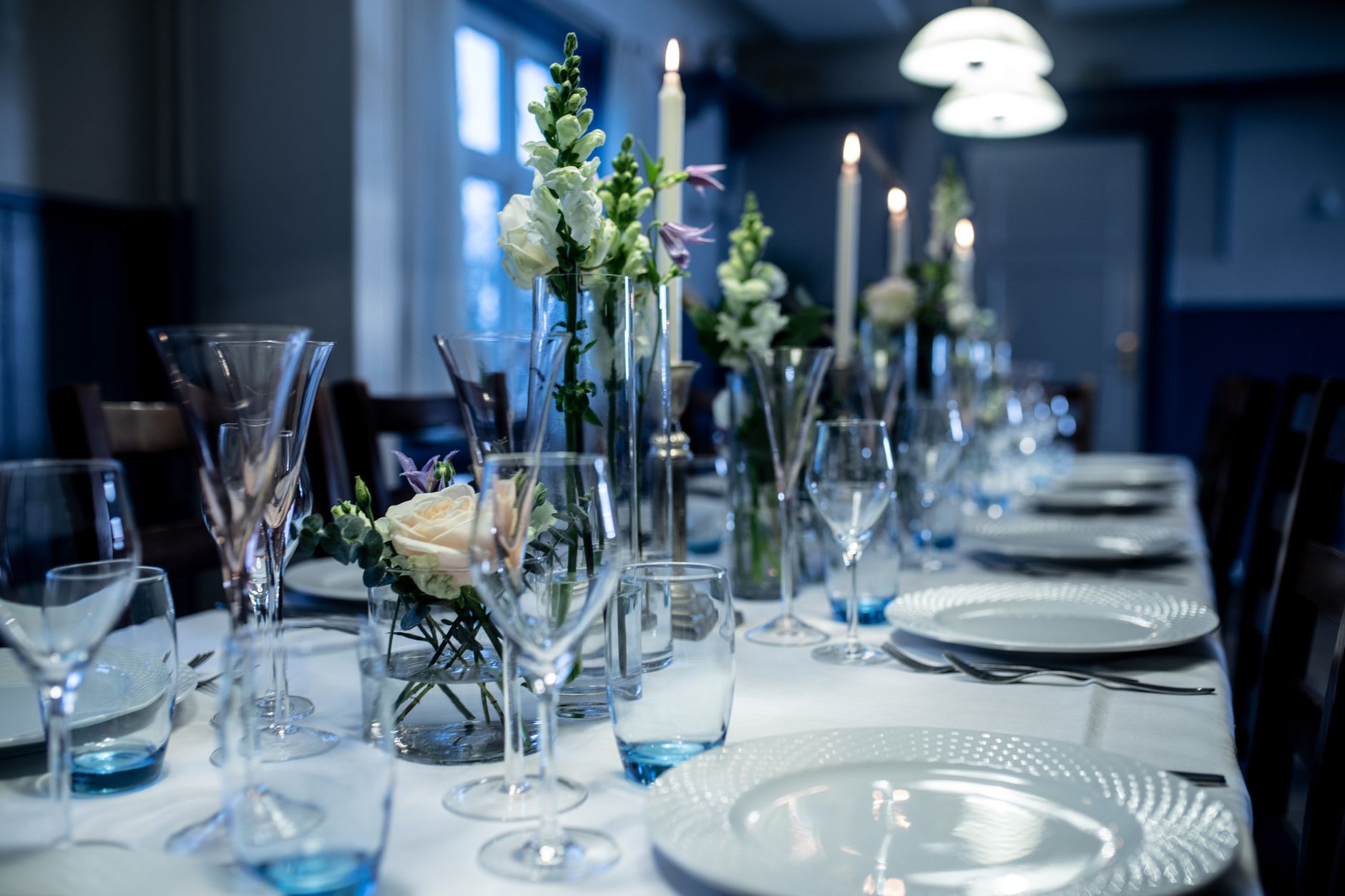
Flowers in caves face challenges: lower light (colors shift), moisture in the air (petals wilt faster), and echoing darkness (they need to glow, not just sit). We choose flower types carefully: orchids, roses, and chrysanthemums hold up longer than peonies or dahlias in cave humidity. We use cooler tones (white, blush, deep purple) rather than pale pastels, which disappear in candlelight. Arrangement-wise, we elevate flowers on the table and add uplighting—a small LED pointing up at the bouquet makes it the focal point instead of a dim lump. We also hydrate constantly: a floral arrangement designed for your moment sits in a tall vessel, and we top the water off an hour before you arrive. For decor beyond flowers, we keep it minimal in caves. Too much fabric or paper gets sad in damp air. Instead, we use string lights (they add warmth without bulk), mirrors or reflective surfaces (they bounce candlelight and make the space feel bigger), and a high-quality linen tablecloth that frames the table against the raw stone. We avoid cheap plastic or paper decor entirely—it clashes with the cave's natural elegance. The cake presentation matters too: a custom cake for your dinner becomes the centerpiece when served, so we keep it simple and striking—good structure, clear flavors, nothing that needs refrigeration the moment it arrives.
Should we hire a photographer, and how does it work in low light?
Yes, and it's non-negotiable. A cave is visually stunning and emotionally significant—you'll want images that prove it actually happened and that capture the expressions you won't remember feeling. The challenge: caves are dark, and phone photos are terrible. Our photographer arrives with a full-frame camera, fast lenses (f/1.4–f/2.8), and off-camera lighting that doesn't wash out the cave's atmosphere. We use a small, warm-toned LED panel positioned behind or to the side—it looks like ambient light, not a flash. For hidden photographer and video coverage, we scout the cave's sight lines in advance; sometimes that means the photographer is in the space the entire time, sometimes it's a fixed camera with remote. The cost of hiring a dedicated photographer is higher than a phone, but the difference between "I can barely see us" and "I can see the emotion on both our faces" is the difference between a forgettable digital file and a memory you'll share for decades. We include 2–3 hours of coverage and a curated gallery of 60–100 edited images. If you want full raw files or video, we discuss that upfront.
What are the regional differences: north vs. central coast vs. south?
Northern caves (Hanoi region): Located in limestone karst terrain, famous for their geological drama. Access is often a moderate hike; temperature stays cool year-round. Monsoon rain (May–September) can close access. Best for: couples who want adventure and otherworldly beauty. We've coordinated northern cave dinners where the cave entrance frames Ha Long Bay-style views, though we avoid over-marketed public caves.
Central coast (Da Nang, Hoi An region): Caves here tend to be closer to sea level, some with partial ocean views. Access is often easier (shorter hikes, wider entrances). Typhoon season (August–November) requires flexibility. Best for: couples wanting cave romance without extreme effort, or those combining a Da Nang romantic moment with other activities. Central coast caves are often warmer and more humid.
Southern caves (Ho Chi Minh City region, Phu Quoc): Fewer dramatic natural caves; more often we're using sheltered grottos or man-made cave-like structures. Humidity is high year-round. Best for: couples in the south who want cave atmosphere but with shorter logistics. We've done beautiful dinners in semi-enclosed stone pavilions that read as "cave" aesthetically.
The honest truth: northern caves are the most iconic, but hardest to access in bad weather. Southern caves are more convenient, less dramatic. We match your location preference and physical comfort level to the right site.
What if the moment is a proposal—does the cave setup change?
Not fundamentally, but the timing and reveal shift. For a marriage proposal planning in a cave, we often design a staggered entry: you arrive first, we seat you, flowers and cake are already on the table. Your partner arrives moments later and sees the full setup at once—that's the first "wait, what?" moment. Then the meal happens. At a moment we've pre-discussed (usually after dessert), we fade into the background, dim the lights slightly, and you propose. The photographer captures the reaction from their hidden position. Afterward, we re-appear with champagne and a congratulations cake (often a second, smaller dessert or macarons). The cave's drama amplifies the proposal's drama—you're not getting down on one knee in a busy restaurant; you're doing it in a timeless, intimate space. Couples often tell us later that the cave made the proposal feel less about performance and more about commitment.
What should you check before booking with us?
- Confirm your date range and flexibility: Can you shift by 1–2 days if weather or access looks risky?
- Clarify who's in the room: Just you two? Parents watching? Friends? Photographer and planner nearby but out of sight?
- Know your meal preference: Bring your own, use a restaurant, or hire catering? Each changes the timeline.
- Discuss lighting and music limits: Some caves allow generators; some don't. We'll confirm.
- Agree on the final cave site only after we show you photos and logistics: Don't assume "cave" is one thing.
- Ask about rain date policy: What happens if we need to reschedule?
- Confirm photographer coverage and image delivery: How many hours, edited or raw, digital or prints?
FAQ
Is a cave dinner dangerous, or could the cave collapse?
We only use caves that have been used for events or tourism for years—they're geologically stable. Real risks are slippery paths and flooding in heavy rain, not collapse. We scout every site and have contingencies in place.
Can we bring our own food and alcohol into a cave?
Yes. We'll transport it, keep it cool or warm as needed, and plate it on-site. Some caves restrict alcohol sales (if they're on protected land), but private consumption is usually fine—ask us during planning.
What happens if the weather is truly bad on our date?
We have a rain date clause in every booking. If access becomes unsafe, we reschedule within 2 weeks. We won't compromise your safety for a date.
How far in advance should we book a cave dinner?
8–12 weeks is ideal for scouting, flower sourcing, and cake baking. We can sometimes accommodate shorter notice (4–6 weeks) if your preferred cave is available, but it's tight.
Do we need to hike to the cave, or is it wheelchair accessible?
It depends on the cave. We scout accessibility first. If you need an accessible site, we'll find one; some caves do sit near parking with only a short, flat walk. Tell us your mobility needs upfront.
What's the average cost of a private cave dinner?
Cost depends on location, cave accessibility, meal type, guest count, and decor detail. Ask us for a quote on WhatsApp—we'll give you a transparent breakdown.
Can we get married or renew vows in a cave?
Yes. An elopement or vow renewal in a cave is stunning. It requires an earlier arrival time (registrar/officiant coordination, more photos) and usually a larger guest group. Let's talk through your vision.
Who handles the meal—do you provide a chef, or do we arrange it?
We don't run a kitchen, but we coordinate it. You can have a restaurant deliver, hire a caterer, or bring prepared food that we plate. We're the logistics hub.
What if my partner finds out about the surprise before the day?
It happens. We reframe it: the surprise shifts from "where are we going?" to "what will happen in the cave?" Lean into a reveal moment—the cake, the photographer, the speech you've written. The cave itself is still stunning.
Do you cover other moments—anniversaries, honeymoons—or just proposals?
We cover proposals, anniversaries, honeymoons, engagements, elopements, and vow renewals. A cave works beautifully for any of those. Tell us about your moment on WhatsApp.
Chat with a planner
Tell us the city, the date and the kind of moment. A planner replies on WhatsApp in English with ideas and what is possible.
FAQ
Is a cave dinner dangerous, or could the cave collapse?
We only use caves that have been used for events or tourism for years—they're geologically stable. Real risks are slippery paths and flooding in heavy rain, not collapse. We scout every site and have contingencies in place.
Can we bring our own food and alcohol into a cave?
Yes. We'll transport it, keep it cool or warm as needed, and plate it on-site. Some caves restrict alcohol sales (if they're on protected land), but private consumption is usually fine—ask us during planning.
What happens if the weather is truly bad on our date?
We have a rain date clause in every booking. If access becomes unsafe, we reschedule within 2 weeks. We won't compromise your safety for a date.
How far in advance should we book a cave dinner?
8–12 weeks is ideal for scouting, flower sourcing, and cake baking. We can sometimes accommodate shorter notice (4–6 weeks) if your preferred cave is available, but it's tight.
Do we need to hike to the cave, or is it wheelchair accessible?
It depends on the cave. We scout accessibility first. If you need an accessible site, we'll find one; some caves do sit near parking with only a short, flat walk. Tell us your mobility needs upfront.
What's the average cost of a private cave dinner?
Cost depends on location, cave accessibility, meal type, guest count, and decor detail. Ask us for a quote on WhatsApp—we'll give you a transparent breakdown.
Can we get married or renew vows in a cave?
Yes. An [elopement or vow renewal in a cave](/elopement) is stunning. It requires an earlier arrival time (registrar/officiant coordination, more photos) and usually a larger guest group. Let's talk through your vision.
Who handles the meal—do you provide a chef, or do we arrange it?
We don't run a kitchen, but we coordinate it. You can have a restaurant deliver, hire a caterer, or bring prepared food that we plate. We're the logistics hub.
What if my partner finds out about the surprise before the day?
It happens. We reframe it: the surprise shifts from "where are we going?" to "what will happen in the cave?" Lean into a reveal moment—the cake, the photographer, the speech you've written. The cave itself is still stunning.
Do you cover other moments—anniversaries, honeymoons—or just proposals?
We cover proposals, anniversaries, honeymoons, engagements, elopements, and vow renewals. A cave works beautifully for any of those. [Tell us about your moment](/contact) on WhatsApp.
More like this
Private romantic dinners
Candlelight Dinner with Photographer in Saigon: Plan & Book
A candlelight dinner with a hidden photographer in Saigon means venue, custom lighting, flowers, a plated meal, and a photographer capturing genuine moments without guests noticing—all coordinated by a single planner on WhatsApp.
Private romantic dinners
Candlelight Dinner with Photographer in Hoi An
A candlelit dinner in Hoi An's lantern-lit streets becomes unforgettable when a photographer documents it unseen. We walk you through the setup, the decisions, and what actually happens on the night.
Private romantic dinners
Candlelight dinner with photographer in Hanoi
A candlelight dinner with a hidden photographer lets you relax and be present while we document your real reactions. We handle everything — venue setup, custom decor, floral arrangement, the photographer's timing — so you focus on each other.