 Cáo Moments
Home › Blog › Elopement and vow renewal
Elopement Vietnam vs Bali: which destination suits your moment?
By the Cáo Moments team · 2026-11-01
Both Vietnam and Bali deliver intimate elopement moments, but they serve different visions. Vietnam offers limestone karst landscapes, colonial Hoi An, bustling Hanoi and Saigon, and a dry season (October–April) with clear skies; elopements here range from hidden riverside dinners to Golden Bridge ceremonies, with Cáo Moments coordinating every detail on-ground via WhatsApp. Bali brings temple ceremonies, rice terraces, and consistent warm weather year-round, but faces monsoon rains (November–March) and higher tourist density. Vietnam typically costs less for venue and coordination; Bali's strength is spiritual symbolism and luxury resort packages. Choose Vietnam if you want dramatic natural backdrops, fewer crowds, and flexible timing; choose Bali if temple ritual and year-round warmth matter most. Both need 4–8 weeks' planning minimum.
What does each destination actually offer as an elopement backdrop?
Vietnam spans 1,600 kilometers north to south, so your choice depends on which landscape calls to you. Northern regions like Sapa offer emerald rice terraces and mountain mist; the romantic Hoi An guide shows lantern-lit ancient streets where you can exchange vows in a private corner of the old town. Ha Long Bay's limestone karsts are dramatic but require careful weather windows. Hanoi and Ho Chi Minh City are urban, vibrant bases for city-view ceremonies on rooftop terraces. Bali centers on one island, so logistics are simpler, but most elopement venues cluster around Ubud (rice paddies), Seminyak (beach clubs), or temple grounds (Uluwatu, Tanah Lot). Vietnam rewards couples who want variety and seclusion; Bali suits those seeking a cohesive mystical aesthetic without driving between regions.
Chat with a planner on WhatsApp

When is the best season, and does weather really control your plans?
Vietnam's dry season runs October through April, with clearest skies in December and January. Temperatures range 15–25°C in the north, 20–28°C in central and southern regions. Bali is warm year-round (26–32°C), but November through March brings afternoon monsoons that delay ceremonies and ruin outdoor setups on short notice. Our experience: Vietnam's dry-season window is tighter but more reliable; if you pick March–April in Vietnam, expect occasional afternoon rain but rarely all-day washouts. Bali requires robust backup plans (tents, indoor pivots) because rain can arrive suddenly at 2 p.m. We always have rain contingency tents and alternative indoor venues scouted in advance. Choose Vietnam if you want predictable weather; Bali if you're flexible or willing to reschedule by a day.
How much more complex is the logistics in Vietnam versus Bali?
Vietnam requires us to manage multiple regions and longer travel times between venues. From Hanoi to Hoi An is a 20-hour drive or 2-hour flight; from Ho Chi Minh City to the Mekong Delta is 2–3 hours by car. We coordinate with local vendors in each region—photographers, florists, cake makers—via WhatsApp, and time zone differences (if you're in North America) mean real-time communication is during your evening. Bali is geographically compact; Ubud to Seminyak is 1 hour by car. But Bali's vendor ecosystem is crowded and many are English-fluent, yet reliability varies more widely than in Vietnam's established networks. We find Vietnam's complexity is offset by our direct relationships; Bali's simplicity is offset by vendor turnover and tourist-season bottlenecks. For a first-time elopement planner without local contacts, Bali feels easier; for couples wanting bespoke coordination, Vietnam's structured vendor base often delivers more reliably.
What's the real cost difference, and where does money actually matter most?
We cannot quote prices here, but the cost structure differs sharply. Ask us for a quote on WhatsApp for exact figures based on your vision. Broadly: Vietnam's venue rental (riverside pavilions, rooftop terraces, private gardens) and catering tend to cost less per head than Bali's resort packages; Bali's strength is all-inclusive luxury where one resort handles ceremony, dinner, and décor, reducing coordination overhead. Vietnam's flowers and custom cakes are cheaper because labor and materials cost less, but you're paying for our on-ground coordination across multiple vendors. Bali's strength is in resorts where one package price covers most services. If your budget is tight, Vietnam wins; if you want simplicity and don't mind paying for a luxury resort's white-glove service, Bali is often easier despite higher per-item costs.
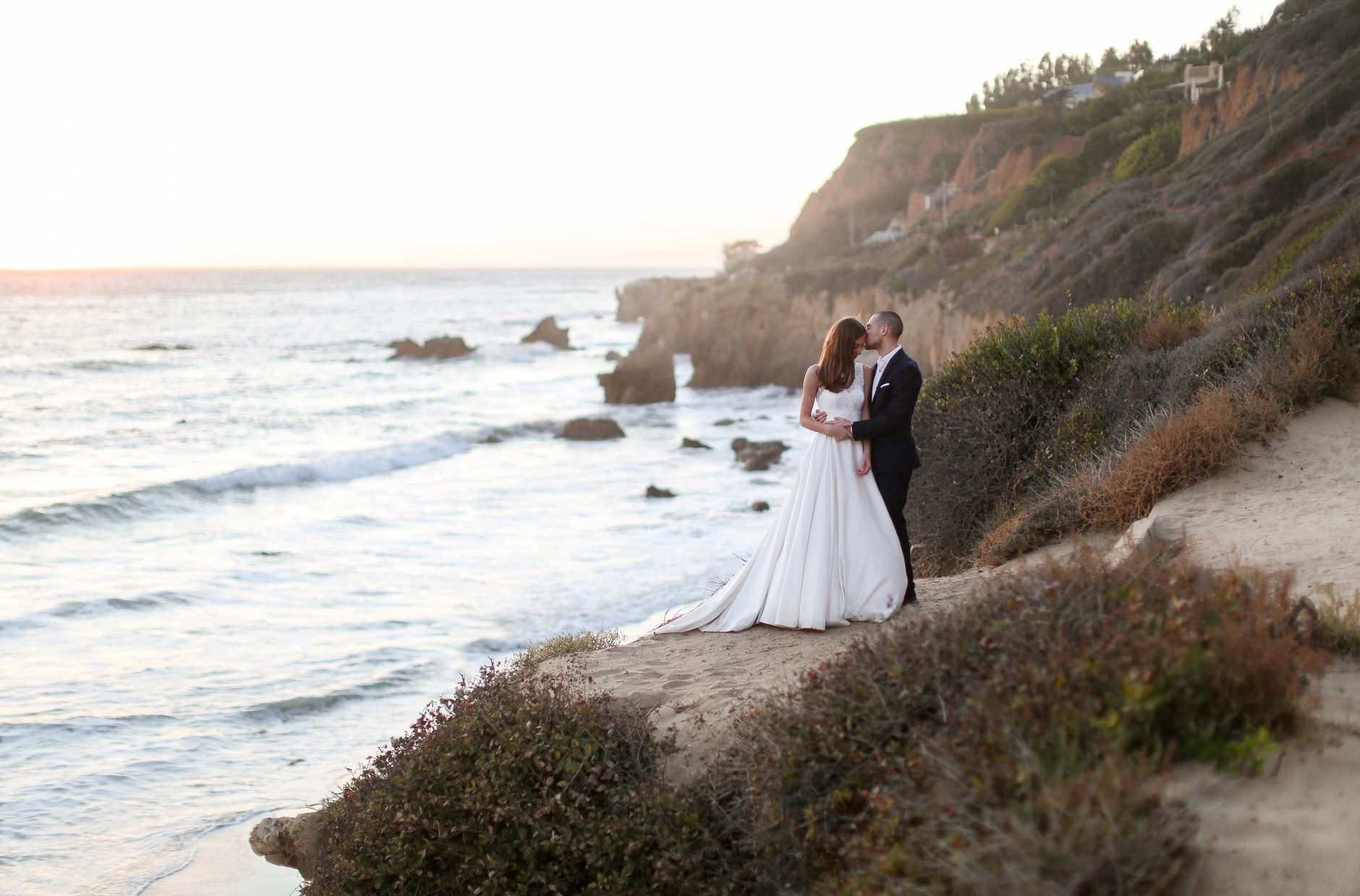
How do you actually keep your elopement secret, and does the destination matter?
Vietnam's advantage: most venues are private estates, riverside lodges, or booked-out restaurant rooms where crowds don't naturally gather. Hanoi and Saigon have boutique hotels and villas where we can block off a floor or private suite. Hoi An's narrow alleys make it simple to cordon off a section without drawing attention. Bali's challenge: popular elopement venues (certain temples, famous rice terraces, resort gardens) attract walk-by tourists and Instagram hunters. We mitigate this by booking early morning slots (6–8 a.m.) or securing private temple access through local guides. For true secrecy, Vietnam is inherently quieter; Bali requires stricter access control. Our photo-video team handles concealment—one hidden photographer, no drones or visible equipment—in both locations, but Vietnam's venues naturally restrict casual onlookers.
Comparison: core differences at a glance
| Factor | Vietnam | Bali |
|---|---|---|
| Dry season | Oct–Apr (sharp window) | Year-round (monsoon Nov–Mar) |
| Landscape diversity | Mountains, karsts, colonial towns, deltas | Rice paddies, temples, beaches (one island) |
| Vendor reliability | Established networks, consistent quality | Varied, seasonal turnover |
| Travel between venues | Hours to days by car/flight | 30–90 min by car |
| Crowd factor | Lower at most elopement sites | Higher at famous spots |
| Accommodation range | Budget to luxury | Mostly mid-to-luxury |
| Planning timeline | 4–8 weeks minimum | 3–6 weeks minimum |
| Backup plan complexity | Weather-dependent pivots | Weather + crowd contingencies |
What to check before you choose
- Season flexibility. If you're locked to June–September, Bali is safer; Vietnam's window is narrower but drier.
- Landscape priorities. Mountains, lanterns, water, or temples? Vietnam offers more variety; Bali is consistent aesthetic.
- Vendor trust. Do you want us to vet and coordinate every vendor, or prefer a resort package? Vietnam = coordination-heavy; Bali = often simpler hand-off.
- Secrecy level. True secrecy? Vietnam. Spiritual ceremony? Bali's temples are iconic but busier.
- Flight time from home. If you're closer to Southeast Asia from Australia or the Middle East, Bali; from North America or Europe, Vietnam's diversity might justify the flight.
Real couples ask us: which destination for an elopement renewal?
Both work beautifully for vow renewals. We've renewed vows on the romantic Da Nang guide beachfront with original wedding flowers re-created, and in Bali's temple courtyards. Vietnam lets couples revisit the style of their original wedding (same florist, same cake maker if they're still there); Bali offers a fresh start in a spiritual space. Ask us via WhatsApp which feels right for your story.
Chat with a planner on WhatsApp | Tell us about your moment
For honeymoon moments, honeymoon and babymoon surprises often follow the elopement; we coordinate both as one arc.

FAQ
Can we elope in Vietnam if we're not legally married yet?
Yes. Elopement here means an intimate private ceremony—vows, commitment, celebration—without requiring government registration. Bali is the same. If you want a legal marriage certificate, that's a separate process requiring weeks of paperwork; we focus on the moment, not legal status. Ask us on WhatsApp if you need referrals for marriage registration support.
What's the best time of year to elope in Vietnam without rain ruining everything?
December through February is nearly guaranteed clear skies, especially in central Vietnam (Hoi An, Da Nang). March–April works too but expect occasional afternoon showers; we have rain contingencies ready. Avoid May–September; monsoon season makes outdoor setups unreliable. Based on our on-ground experience, mid-January to mid-February is the safest bet.
How far in advance do we need to book venues and vendors in Vietnam?
We recommend 6–8 weeks minimum. Peak season (December–February) books out faster; we've held dates with deposits as early as 10 weeks out. Bali is tighter—3–6 weeks—because resorts manage their own calendars. Earlier is always safer; last-minute elopements are possible but limit choice and increase stress.
Do we need visas to elope in Vietnam versus Bali?
Most nationalities get 90-day visa-free access to Bali; Vietnam requires an e-visa (apply online, costs ~$25 USD equivalent, takes 2–3 days). Neither is a barrier, but factor 1 week before your elopement date for paperwork. We give couples a checklist on WhatsApp.
Will a hidden photographer actually stay concealed during an elopement ceremony, or is that just marketing?
Our photo-video team trains for true invisibility—one camera, no visible crew, no second shooter hovering. In Vietnam's smaller venues, this is straightforward; in Bali's more open spaces, we position them behind architecture or at distance with a telephoto lens. You'll see raw footage and be surprised how little you noticed the camera. It's not marketing; it's craft we've built over many moments.
Chat with a planner
Tell us the city, the date and the kind of moment. A planner replies on WhatsApp in English with ideas and what is possible.
FAQ
Can we elope in Vietnam if we're not legally married yet?
Yes. Elopement here means an intimate private ceremony—vows, commitment, celebration—without requiring government registration. Bali is the same. If you want a legal marriage certificate, that's a separate process requiring weeks of paperwork; we focus on the *moment*, not legal status. Ask us on WhatsApp if you need referrals for marriage registration support.
What's the best time of year to elope in Vietnam without rain ruining everything?
December through February is nearly guaranteed clear skies, especially in central Vietnam (Hoi An, Da Nang). March–April works too but expect occasional afternoon showers; we have rain contingencies ready. Avoid May–September; monsoon season makes outdoor setups unreliable. Based on our on-ground experience, mid-January to mid-February is the safest bet.
How far in advance do we need to book venues and vendors in Vietnam?
We recommend 6–8 weeks minimum. Peak season (December–February) books out faster; we've held dates with deposits as early as 10 weeks out. Bali is tighter—3–6 weeks—because resorts manage their own calendars. Earlier is always safer; last-minute elopements are possible but limit choice and increase stress.
Do we need visas to elope in Vietnam versus Bali?
Most nationalities get 90-day visa-free access to Bali; Vietnam requires an e-visa (apply online, costs ~$25 USD equivalent, takes 2–3 days). Neither is a barrier, but factor 1 week before your elopement date for paperwork. We give couples a checklist on WhatsApp.
Will a hidden photographer actually stay concealed during an elopement ceremony, or is that just marketing?
Our [photo-video team](/photo-video) trains for true invisibility—one camera, no visible crew, no second shooter hovering. In Vietnam's smaller venues, this is straightforward; in Bali's more open spaces, we position them behind architecture or at distance with a telephoto lens. You'll see raw footage and be surprised how little you noticed the camera. It's not marketing; it's craft we've built over many moments.
More like this
Elopement and vow renewal
Elopement with Photographer in Ho Chi Minh City: Plan & Book
An elopement in Ho Chi Minh City pairs intimate ceremony logistics with professional photography that captures every unscripted moment. Cáo Moments handles venue scouting, decor, a custom cake, and a photographer who stays hidden until the right second.
Elopement and vow renewal
Elopement With Photographer in Da Nang: Plan Your Moment
An elopement in Da Nang means just the two of you, a hand-picked venue, and a photographer hidden in the scene. Cáo Moments handles all logistics so you focus only on each other.
Elopement and vow renewal
Elopement Setup in Phu Quoc: Plan a Private Beach Moment
An elopement in Phu Quoc means you and your partner alone (or with one witness) on a quiet beach or garden, with flowers, a cake, hidden photos, and a private dinner afterward—all coordinated by our team.