 Cáo Moments
Home › Blog › Elopement and vow renewal
Elope in Vietnam on a Budget: Real Costs & Planning Guide
By the Cáo Moments team · 2026-11-04
An intimate elopement in Vietnam—just the two of you, a local officiant or symbolic ceremony, simple flowers, and a private dinner—ranges from modest to mid-range depending on location, season, and decor complexity. Popular cities include Hanoi, Ho Chi Minh City, Da Nang, Hoi An, and Phu Quoc; timing (off-season saves roughly 20–30% on venues) and how many services you bundle matter most. Cáo Moments coordinates the whole day: venue, flowers, custom cake, hidden photographer, and dinner setup so nothing falls apart. The core decision is whether you want just paperwork and a meal, or a styled moment with decor and professional photos—both are valid elopements. Most couples save money by choosing one location, skipping a second ceremony, and keeping the guest list at zero rather than inviting family, which changes logistics and cost entirely.
What does "elopement on a budget" actually mean?
Budget elopement doesn't mean cheap or joyless—it means intentional spending on what moves you, not on impressing others. Most couples elope because they want intimacy, fewer decisions, and lower pressure, not necessarily to save money, though the math works out that way. You're choosing quality over quantity: one excellent meal instead of a 150-person sit-down; one professional photographer capturing real moments instead of a full wedding-day timeline; flowers and a cake you actually love instead of trends. The trap is thinking "budget" means DIY everything; we've seen couples spend weeks sourcing vendors separately, miss timing, and end up stressed. Our elopement planning service bundles coordination so you avoid that friction. Start by answering: Do you want legal marriage, spiritual commitment, or both? Will family know beforehand or after? Are photos essential or optional? These answers reshape your budget far more than raw numbers do.
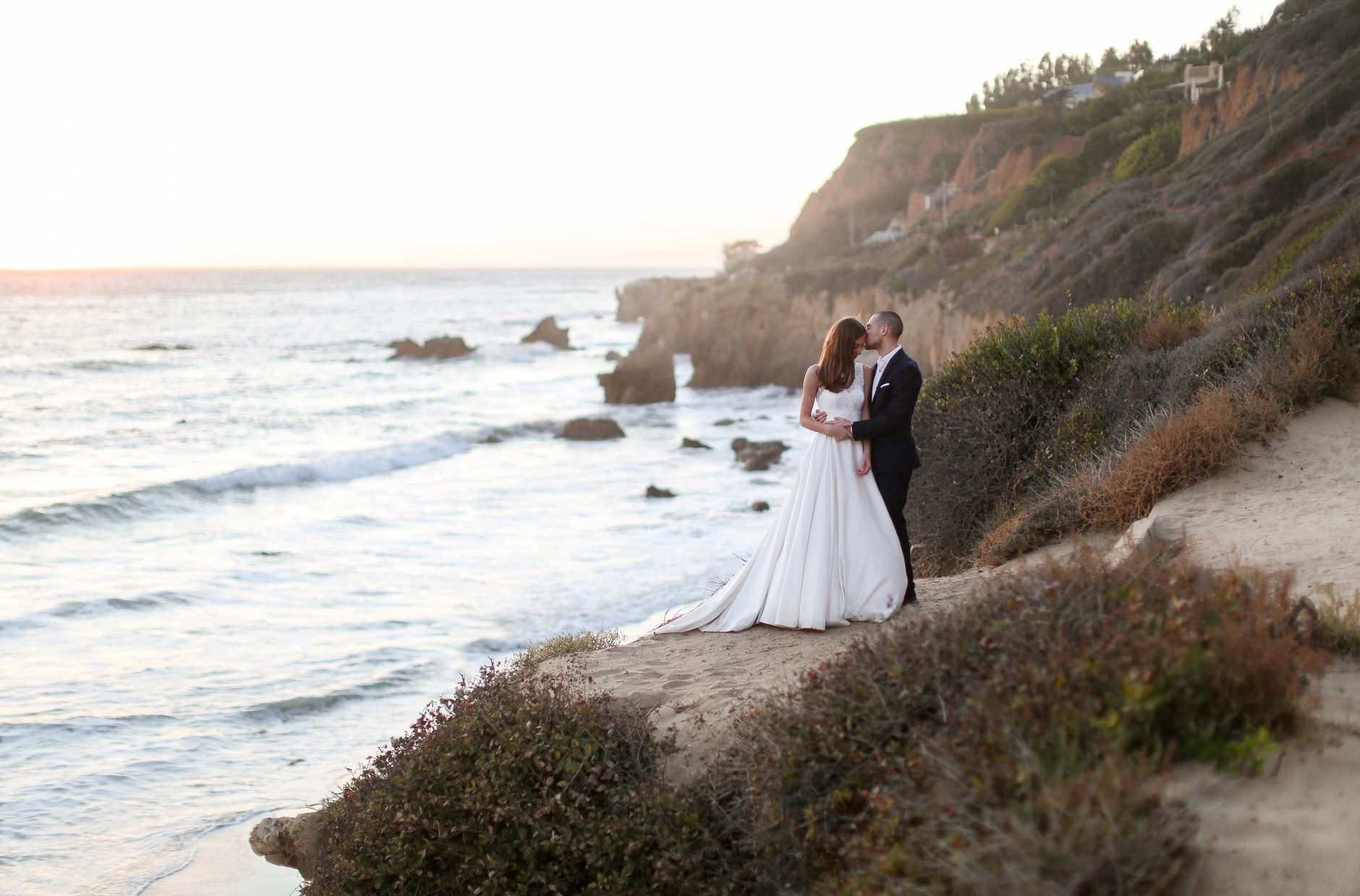
Which Vietnam city gives you the best value for an elopement?
Each city trades cost against atmosphere and logistics. Hanoi and Ho Chi Minh City have the most vendor competition (driving prices down) and offer urban, cultural, or waterside settings depending on your taste—see our Hanoi romantic guide and Ho Chi Minh City guide for venue types. Da Nang sits between budget-friendly and upscale; beaches and mountains mean scenic photos without sky-high venue fees—check the Da Nang guide. Hoi An is pricier per service but magical for intimate ceremonies; lantern-lit streets and riverside setups feel effortless even on modest budgets. Phu Quoc is cheapest for accommodation and food but costliest for flights and limited vendor networks—see the Phu Quoc guide for logistics. Off-season (May–August, or November–early December outside Tet) cuts venue and service costs noticeably. Couples who elope in shoulder seasons (March–April, September–October) report 15–25% savings without sacrificing weather. Your choice: prioritize scenery, affordability, or ease of travel.
Chat with a planner on WhatsApp
What actually costs money in a Vietnam elopement?
Here's the breakdown of what we coordinate and what influences cost most:
| Element | Typical scope | Cost driver | What changes it |
|---|---|---|---|
| Venue (4 hours) | Restaurant, hotel suite, or outdoor space | Location + city tier | Weekday vs. weekend, private room vs. shared |
| Flowers & bouquet | Bridal bouquet + ceremony arrangements | Style complexity + season | Local blooms (cheaper) vs. imported; quantity |
| Custom cake | 2–4 servings, simple to detailed design | Design intricacy + flavors | Dietary needs, rush orders, delivery distance |
| Photographer (6 hours) | Edited digital gallery, print-ready files | Experience level | Weekday rate vs. weekend; travel within city |
| Simple decor | String lights, candles, table setup | How styled vs. bare | DIY setup vs. full room transformation |
| Private dinner | 2 courses + drinks, plated or shared | Restaurant class + menu | Alcohol, wine pairings, special requests |
We've seen couples spend heavily on one element (say, an ornate cake from a specialized baker) and save on another (a nearby restaurant instead of a distant resort). The key trade-off: vendor coordination time. If you hire each service separately, you'll spend 30–50 hours emailing, confirming details, and managing conflicts. We handle that—one WhatsApp thread, one point of contact—so you spend time on what matters: deciding what your day feels like.
How do you actually keep an elopement secret?
Silence and structure. First, decide who knows and when: telling family after is easier to keep quiet than asking permission beforehand. Second, use a private venue (a hotel suite, a rooftop with restricted access, or a private room at a restaurant) rather than a public space where neighbors or friends might spot setup. Third, book a hidden photographer and videographer who blends in—no visible bridal party or loud announcements—and deliver photos weeks later, not on social media the same day. We've run elopements where the parents didn't know until printed photos arrived at their door; we've also coordinated ones where close family joined at the last hour. The difference isn't the day itself—it's who you tell and how. Our role is keeping vendors silent and logistics tight: no accidental text from a florist, no photographer post tagged with location, no decorator mentioning details to chatty restaurant staff. We also build in buffer time; if a vendor runs late, we handle the cover story without drama. Most couples find the secret-keeping part easier than a traditional wedding, not harder, because there's no rehearsal drama or guest logistics to leak.

What goes wrong, and how do we prevent it?
Timing kills more budget elopements than cost overruns. We plan backward from the moment: ceremony time → photographer arrival 30 minutes early → flowers delivered 45 minutes before that → decor team in the space 2 hours prior. If one vendor is late, the whole chain fractures. We also build in 1–2 backup vendors for every role (photographer, florist, cake) and keep their numbers accessible. Rain is the second killer: outdoor ceremony locations need a Plan B (move to a nearby covered area, or a different venue entirely—we clarify this at booking). Heat and humidity wilt flowers fast in tropical months; we choose bloom types that hold up and store them in cool areas until setup. Third: miscommunication about what "simple" means. Couples say "we want minimal decor" but mean something different than what vendors imagine—we show photos and examples so everyone's aligned. We also confirm the day before via WhatsApp that everyone has the right time, address, and contact numbers; it sounds basic, but we've caught wrong dates and missing phone numbers this way.
How to decide: DIY coordination vs. working with a planner?
| Decision | DIY approach | Planner coordination |
|---|---|---|
| Time spent vetting & emailing vendors | 20–40 hours | ~2 hours (you answer our questions) |
| Backup if a vendor cancels same-day | You scramble or reschedule | We call backup contacts immediately |
| Risk of miscommunication (wrong date, decor style) | High (different emails, language gaps) | Low (one person fluent in your vision & local logistics) |
| Flexibility on the day (vendor late, weather change) | You manage it, often stressed | We handle it, you're not copied into chaos |
| Total vendor cost | Sometimes lower (fewer middlemen) | Sometimes similar or slightly higher (coordinator margin) |
| Likelihood of enjoying the moment, not troubleshooting | Low—you're partly still planning | High—we're the backstage, you're in the moment |
Most couples who contact us did attempt DIY: they hired a florist via a Facebook group, a photographer they found on Instagram, and a restaurant they booked online—then discovered the photographer didn't know where to meet, the florist ran three hours late, and no one had the groom's phone number. They spent the day managing logistics, not feeling their elopement. Our clients tell us the value isn't lower cost; it's peace of mind and presence. Ask us for a quote on WhatsApp and compare: sometimes the planner fee is worth it for coordination alone, especially if you're not in Vietnam or don't speak Vietnamese.
Chat with a planner on WhatsApp
What to check before you decide
- Visa & legal timeline: Vietnam marriage registration takes 7–10 working days; factor this in if you need an official ceremony date. Symbolic ceremonies can happen anytime.
- Photographer file rights: Confirm you own edited files and can use them as you wish (no exclusive posting delays or watermarks you don't want).
- Venue cancellation policy: Ask what happens if you need to reschedule; off-season bookings sometimes have stricter terms.
- Florist freshness guarantee: Confirm delivery time and that flowers will be fresh at your ceremony time, not wilted from hours in a van.
- Dietary needs for cake & dinner: Mention allergies or preferences (vegan, gluten-free) early; sourcing takes time in smaller cities.
- Weather backup plan in writing: Don't just assume you'll move indoors; confirm the alternative venue and whether the cost changes.
- Internet & power at venue: If you're live-streaming or using a playlist, test connectivity the day before.

FAQ
Can we legally get married in Vietnam as foreigners without residency?
Yes, but registration requires a Vietnamese citizen or a partner with a valid visa and local address. You'll need documentation translated and certified; this takes 7–10 days. Most international couples opt for a symbolic ceremony (not legally binding but emotionally real) scheduled freely, then register at home later. We coordinate symbolic elopements that feel complete without the paperwork.
What's the cheapest city for a Vietnam elopement?
Off-season Phu Quoc (May–August) has the lowest food and accommodation costs, but flights are pricier if you're arriving internationally. Da Nang offers the best balance: mid-tier venue costs, good flight connections, and strong vendor competition. Hanoi and Ho Chi Minh City are pricier but have the widest vendor choices, so you can negotiate.
Do we need a videographer, or is a photographer enough?
Both are optional—some couples want stills only, others want video highlights but no photos. Video is more expensive and takes longer to edit; photos are instant and easier to share. We recommend asking: Will you watch a highlight video later, or do you just want images? That answer usually settles it.
How far in advance should we book vendors?
6–8 weeks is comfortable; 3–4 weeks is tight but doable if you're flexible on style and location. Off-season, you can book 2–3 weeks out. Peak season (October–December, Tet) should be booked 2–3 months ahead. Tell us your date as soon as you know it so we can check availability with our network.
Can we elope during monsoon season and save money?
Yes—venues, photographers, and hotels discount heavily in May–September. But: afternoon thunderstorms are common (we plan around them), humidity wilts flowers faster, and you'll need strong outdoor backup plans. It's doable and affordable; just confirm your team is experienced with wet-weather pivots.
What if we want family to join but still keep it small and low-key?
That's a "micro-wedding," not a strict elopement, and it changes logistics—group dynamics, seating, catering minimums, and decor scale shift. We coordinate both elopements and micro-weddings; let us know your guest count, and we'll adjust the plan. See our elopement and vow renewal planning for both approaches.
Chat with a planner
Tell us the city, the date and the kind of moment. A planner replies on WhatsApp in English with ideas and what is possible.
FAQ
Can we legally get married in Vietnam as foreigners without residency?
Yes, but registration requires a Vietnamese citizen or a partner with a valid visa and local address. You'll need documentation translated and certified; this takes 7–10 days. Most international couples opt for a symbolic ceremony (not legally binding but emotionally real) scheduled freely, then register at home later. We coordinate symbolic elopements that feel complete without the paperwork.
What's the cheapest city for a Vietnam elopement?
Off-season Phu Quoc (May–August) has the lowest food and accommodation costs, but flights are pricier if you're arriving internationally. Da Nang offers the best balance: mid-tier venue costs, good flight connections, and strong vendor competition. Hanoi and Ho Chi Minh City are pricier but have the widest vendor choices, so you can negotiate.
Do we need a videographer, or is a photographer enough?
Both are optional—some couples want stills only, others want video highlights but no photos. Video is more expensive and takes longer to edit; photos are instant and easier to share. We recommend asking: Will you watch a highlight video later, or do you just want images? That answer usually settles it.
How far in advance should we book vendors?
6–8 weeks is comfortable; 3–4 weeks is tight but doable if you're flexible on style and location. Off-season, you can book 2–3 weeks out. Peak season (October–December, Tet) should be booked 2–3 months ahead. Tell us your date as soon as you know it so we can check availability with our network.
Can we elope during monsoon season and save money?
Yes—venues, photographers, and hotels discount heavily in May–September. But: afternoon thunderstorms are common (we plan around them), humidity wilts flowers faster, and you'll need strong outdoor backup plans. It's doable and affordable; just confirm your team is experienced with wet-weather pivots.
What if we want family to join but still keep it small and low-key?
That's a "micro-wedding," not a strict elopement, and it changes logistics—group dynamics, seating, catering minimums, and decor scale shift. We coordinate both elopements and micro-weddings; let us know your guest count, and we'll adjust the plan. See our [elopement and vow renewal planning](/elopement) for both approaches.
More like this
Elopement and vow renewal
Elopement with Photographer in Ho Chi Minh City: Plan & Book
An elopement in Ho Chi Minh City pairs intimate ceremony logistics with professional photography that captures every unscripted moment. Cáo Moments handles venue scouting, decor, a custom cake, and a photographer who stays hidden until the right second.
Elopement and vow renewal
Elopement With Photographer in Da Nang: Plan Your Moment
An elopement in Da Nang means just the two of you, a hand-picked venue, and a photographer hidden in the scene. Cáo Moments handles all logistics so you focus only on each other.
Elopement and vow renewal
Elopement Setup in Phu Quoc: Plan a Private Beach Moment
An elopement in Phu Quoc means you and your partner alone (or with one witness) on a quiet beach or garden, with flowers, a cake, hidden photos, and a private dinner afterward—all coordinated by our team.