 Cáo Moments
Home › Blog › Private romantic dinners
Dinner in Rice Fields Vietnam: How to Plan It
By the Cáo Moments team · 2026-11-01
A rice-field dinner in Vietnam is an outdoor meal set in active or fallow paddies—typically in the northern provinces (Bac Kan, Thai Binh, Yen Bai) or central highlands—where you eat surrounded by water-and-earth geometry and farm air. Dinners run 2–4 hours and include a table, chairs, linens, food (sourced locally or brought in), lighting for dusk, and often a photographer. The setting itself does most of the work: no walls, no city noise, just you, your guest, and the paddy's scale. Most aren't cheap (the logistics are real), but they're singular. Cáo Moments handles the full coordinate—finding a farmer's consent, securing the field, moving catering, rain cover, timing the light—leaving you only the conversation. Avoid peak monsoon (May–September in the north, September–November in the central region); book 4–6 weeks ahead.
What makes a rice-field dinner different from a normal restaurant?
A restaurant offers walls, a menu, and anonymity. A rice-field dinner takes those tools away—and that's the point. You're eating the same food, but your table is the field itself, and light changes while you eat. The farmer's buffalo may pass. Wind moves the grass. It's less comfortable than indoor dining and far more present. A room frames a moment; a field becomes one. We've coordinated both, and the feedback is always the same: people remember the rice field ten times longer than they remember the food.

How do we secure a field and keep the farmer part simple?
We contact local farmers and agricultural cooperatives weeks ahead, establish what dates work (harvest timing matters), agree on a site fee, and get informal written confirmation via WhatsApp photo or simple document. Most cooperatives see this as straightforward rental income. We handle liaison; you don't meet the farmer or negotiate. On the day, we arrive 3–4 hours early to mark the table spot, check water depth (so chairs don't sink), confirm the access road isn't blocked, and set boundaries so your candles and plates stay clear of any active work. If the farmer needs the field for an emergency task, we have 48-hour notice and pivot to a backup plot (we scout two options before you commit). The farmer side is rarely a problem—it's usually the weather.
What's the actual timeline from booking to dinner?
Week 1–2: You contact us via WhatsApp with your date, guest count (usually 2–20), and what region appeals. We send field photos and three date options. Week 3: You confirm date and region. We scout fields, secure farmer consent, and email you a mood board (lighting, linens, flower style). You choose the overall vibe. Week 4: You decide on food (local catering, a chef you know, or restaurant platters), flowers and bouquets style (low arrangements so they don't block views), and whether you want a hidden photographer and video or just ambient music. Week 5–6: We nail logistical details—exact access point, electricity or gas for heating, rain shelter type, table layout, music playlist. You confirm guest list and any dietary needs. Day of: We arrive at 4 p.m. (for a 6 p.m. dinner) to set up table, power, flowers, linens, and test lighting. Caterer arrives at 5:30 p.m. You arrive at 5:50 p.m. Dinner runs until 8–9 p.m., and we clean up after.
The tightest constraint is light: we always dine between 5:30 p.m. and 8:30 p.m. to catch both dusk and the moment when candles become essential.
What goes wrong in a rice-field dinner, and how do we handle it?
| What Can Fail | Why | Our Backup |
|---|---|---|
| Rain (light drizzle) | Monsoon season or afternoon thunderstorm | Transparent or canvas canopy overhead; heaters if cold |
| Rain (heavy) | Seasonal downpour, field floods | Pivot to covered pavilion 500m away; reschedule if 24 hrs prior |
| Mud access road | Overnight rain softens dirt | We use 4WD or park 100m away and walk with umbrellas |
| Power outage | Rural grid instability | Portable generator; battery LED string lights; handheld torches |
| Caterer no-show | Vehicle breakdown, miscommunication | We call the caterer at Day-4 and Day-1 checkpoints; have a backup catering number on standby |
| Farmer unexpected work | Harvest moved up, emergency repair | Confirm field 48 hours prior; have second field scouted already |
| Wind blows centerpieces | Evening wind in open field | Use low, heavy arrangements and anchor them with wet floral foam |
| Insects/mosquitoes | Warm season, water nearby | Citronella candles, fan nearby, insect spray available; schedule earlier sunset if possible |
The two hardest are rain and access. We choose our field partly on how quickly water drains. We also always book a covered backup site (usually within 15 km) and flag this in the WhatsApp chat so you're mentally ready. If rain hits the day before, we call you at 6 a.m. and decide together—reschedule, move to backup, or proceed with canopy. Most couples choose the canopy and find it more intimate.
Which regions have the best rice fields for dinner?
Northern Vietnam (Bac Kan, Thai Binh, Yen Bai): Flat, vast paddies; water mirrors sky in spring/summer (April–July). Access is muddy but easier for farmers to grant. Cooler evenings. Best 4–6 weeks ahead due to cooperative booking.
Central Highlands (Dak Lak, Kon Tum): Terraced paddies (more dramatic backdrop); cooler year-round; fewer monsoons than the north. Slightly longer access roads, but the landscape is wilder. Best May–June, September–October.
Mekong Delta (Can Tho, Ben Tre, Tra Vinh): Flattest, most lush; coconut palms frame fields; very warm year-round. Heavy floods July–October, so spring (January–April) is safest. Farmers are used to tourism, easiest permits.
Most couples pair a rice-field dinner with a romantic guide to the region (Hanoi for north, Da Nang for central, Ho Chi Minh City for delta) so they spend 2–3 days exploring and do the dinner mid-trip. We can advise on town stays and what else is near.
How do flowers, cake, and music fit into a field dinner?
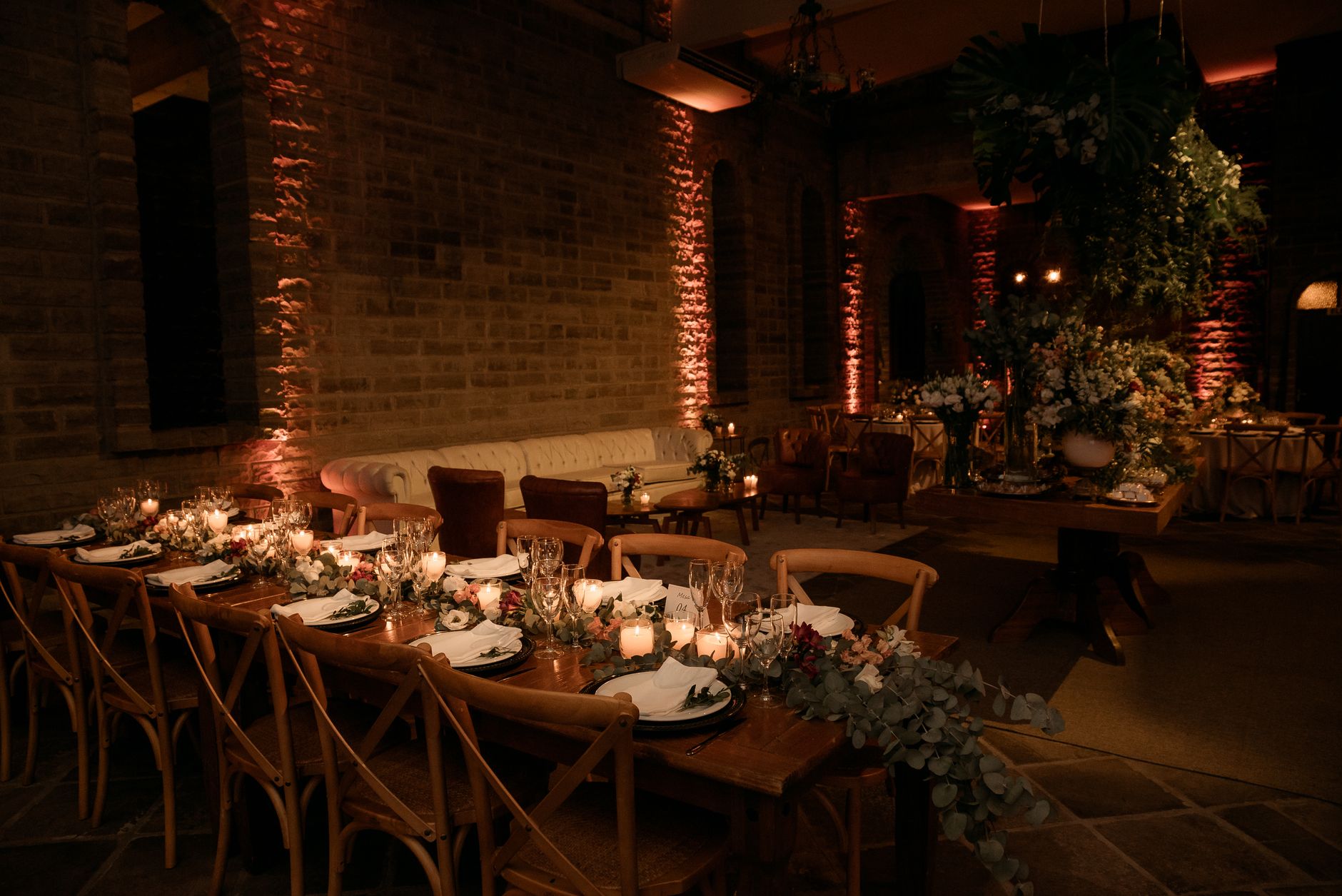
Flowers: Open-field wind means tall stems snap. We use low, dense arrangements (peonies, spray roses, local wildflowers in a stone base or heavy urn) anchored with floral foam and often a small smooth rock in the center for stability. A single large arrangement in the table center works better than scattered small ones. Avoid fragile stems and anything requiring constant misting.
Cake: Dessert happens before dusk fully sets, usually 7:30–8 p.m. The cake travels in a cooler and sits under the canopy so heat doesn't melt frosting. We use a simple, sturdy custom cakes and desserts design (one or two tiers) rather than a multi-tier sculpture that can't handle transport on rough roads. A sheet cake with one candle is often more elegant than fussy decoration.
Music: We use a portable Bluetooth speaker (weatherproof, decent bass) or a small battery-powered amplifier. A curated playlist (usually instrumental jazz, lofi, or soft indie) runs on loop, volume just loud enough to fill the silence but not override conversation. We test the speaker the day before and bring backup batteries. No live musician (too logistically hard in a field), but some couples add a friend with a guitar, which works beautifully if they're willing to sit in the wind.
What should we decide before we book?
1. Date and backup option: Pick your ideal date and one alternative 1–2 weeks away. This lets us negotiate with farmers and check rain forecasts.
2. Guest count: Just the two of you, or a small group (family, close friends)? Table size, catering portions, and the farmer's field comfort change with this.
3. Region: North, central, or delta? Each has different seasons, access, and aesthetic. Once you choose, we'll send field photos and you'll see the real vibe.
4. Food source: Do you have a restaurant or catering you love, or do we source one? This shapes logistics and timeline.
5. Photographer: Hidden or no photo? If yes, we'll place them downwind so they're invisible. This adds to the final cost and setup time.
6. Backup plan if rain: Are you okay with a transparent canopy, or do you want to reschedule? Knowing this early lets us scout the right field (one with good drainage or a backup pavilion nearby).
Chat with a planner on WhatsApp
Once you've decided those six points, we can send you a detailed proposal in 48 hours. Until then, we're just gathering information—no obligation. The real work is ours: we talk to farmers, check drainage, plan lighting angles, coordinate catering timings, and think through what breaks when wind picks up. You get to decide the vibe and show up.
What about a romantic dinner that also becomes a marriage proposal?
If you're planning to ask someone during the rice-field dinner, we handle that differently. We hide the ring ahead of time (usually in the cake or under a covered plate), cue the photographer at the exact moment, arrange for a moment of stillness before the proposal (so your words land clearly), and sometimes coordinate a small playlist twist—a special song at that second. The rice-field setting is already intimate, so a proposal here doesn't need extra theatre. It just needs timing and a photographer who knows what's coming. We'll brief you on that separately via WhatsApp once you've booked.
Can we combine a rice-field dinner with other moments?
Yes. Many couples do a proposal or vow renewal in the field earlier in the afternoon, then transition to a seated dinner as light starts to change. Or they do a honeymoon dinner in the field as part of a larger multi-day celebration. We coordinate this as one project and break it into phases—ceremony lighting, transition, dinner setup—so it feels seamless.
Chat with a planner on WhatsApp | Tell us about your moment
What to check before you book
- Monsoon dates for your region: We'll flag them, but double-check based on your specific location. May–September is risky for the north; September–November for central highlands.
- Your tolerance for mud: Rural field access isn't paved. If you're in dress shoes or heels, bring flats for the walk in. We can scout a closer parking spot, but it's never zero-distance.
- Caterer flexibility: Many city restaurants won't deliver to fields. We work with cooperatives and rural caterers who will. Confirm they've done this before.
- Light timing: We don't do breakfast rice-field dinners. We only guarantee usable light from 5 p.m. onward. Plan your arrival around that window.
- Bug season: Biting insects peak in warm, wet months. Citronella helps, but it's not perfect. Accept that a few mosquitoes may visit.
Chat with a planner on WhatsApp | Tell us about your moment

FAQ
How far in advance should we book a rice-field dinner?
4–6 weeks is ideal. Farmers plan their calendar early, and we need time to scout, get permits, and coordinate catering. Less than 3 weeks is risky; more than 12 weeks means details shift and we'll re-confirm anyway.
Is a rice-field dinner very expensive?
Ask us for a quote on WhatsApp. Costs vary widely based on guest count, region, catering choice, and whether you want photography. A field dinner for two is simpler logistics than a group of ten, but both require transport, setup labor, and farmer fees.
Can we do a rice-field dinner in the rainy season?
Not safely, in most cases. Rain fills paddies and makes access treacherous. We recommend scheduling outside monsoon months. If you're set on a particular rainy-season date, we'll scout a covered pavilion nearby as a backup.
Do we need to provide anything ourselves?
No. We bring table, chairs, linens, flowers, music, lighting, and coordinate catering. You bring your guest(s) and your appetite. If you want to contribute (a favorite wine, a playlist song), we'll incorporate it.
What if we want a smaller, simpler dinner—just two people, no fuss?
Perfect. Smaller groups mean less logistical complexity. We still handle field access, light, weather, and catering, but the setup is faster and there's more room for quiet. This is often the most memorable version.
Can we see photos of past rice-field dinners you've done?
Yes. Message us on WhatsApp with your date and region, and we'll send examples of field types, lighting, table setups, and decor styles you can reference.
Chat with a planner
Tell us the city, the date and the kind of moment. A planner replies on WhatsApp in English with ideas and what is possible.
FAQ
How far in advance should we book a rice-field dinner?
4–6 weeks is ideal. Farmers plan their calendar early, and we need time to scout, get permits, and coordinate catering. Less than 3 weeks is risky; more than 12 weeks means details shift and we'll re-confirm anyway.
Is a rice-field dinner very expensive?
Ask us for a quote on WhatsApp. Costs vary widely based on guest count, region, catering choice, and whether you want photography. A field dinner for two is simpler logistics than a group of ten, but both require transport, setup labor, and farmer fees.
Can we do a rice-field dinner in the rainy season?
Not safely, in most cases. Rain fills paddies and makes access treacherous. We recommend scheduling outside monsoon months. If you're set on a particular rainy-season date, we'll scout a covered pavilion nearby as a backup.
Do we need to provide anything ourselves?
No. We bring table, chairs, linens, flowers, music, lighting, and coordinate catering. You bring your guest(s) and your appetite. If you want to contribute (a favorite wine, a playlist song), we'll incorporate it.
What if we want a smaller, simpler dinner—just two people, no fuss?
Perfect. Smaller groups mean less logistical complexity. We still handle field access, light, weather, and catering, but the setup is faster and there's more room for quiet. This is often the most memorable version.
Can we see photos of past rice-field dinners you've done?
Yes. Message us on WhatsApp with your date and region, and we'll send examples of field types, lighting, table setups, and decor styles you can reference.
More like this
Private romantic dinners
Candlelight Dinner with Photographer in Saigon: Plan & Book
A candlelight dinner with a hidden photographer in Saigon means venue, custom lighting, flowers, a plated meal, and a photographer capturing genuine moments without guests noticing—all coordinated by a single planner on WhatsApp.
Private romantic dinners
Candlelight Dinner with Photographer in Hoi An
A candlelit dinner in Hoi An's lantern-lit streets becomes unforgettable when a photographer documents it unseen. We walk you through the setup, the decisions, and what actually happens on the night.
Private romantic dinners
Candlelight dinner with photographer in Hanoi
A candlelight dinner with a hidden photographer lets you relax and be present while we document your real reactions. We handle everything — venue setup, custom decor, floral arrangement, the photographer's timing — so you focus on each other.