 Cáo Moments
Home › Blog › Private romantic dinners
Beach Dinner Ideas Vietnam: Planning a Romantic Seaside Evening
By the Cáo Moments team · 2026-11-01
A beach dinner in Vietnam means setting a table on sand or a platform with an ocean view, typically 2–4 hours including aperitif, courses, and dessert, timed for sunset or evening calm. Popular locations include the Phu Quoc coast, Da Nang bays, Hoi An's quieter beaches, and Nha Trang's protected coves. Cáo Moments coordinates venue setup (if private land or permitted), table décor, a local caterer or private chef, flowers, lighting for dusk, and a hidden photographer. Cost varies by headcount, distance from town, season, and menu. The main trade-off: natural beauty vs. wind, sand, and weather unpredictability. Always book a rain venue (covered pavilion or nearby resort) and confirm tides and weather 48 hours before. Start planning 4–6 weeks ahead for peak season (Oct–Apr).
What makes a beach dinner different from a restaurant table?
A beach dinner removes walls and lets the ocean become your décor—but it also removes shelter, climate control, and running water. You're not paying for a building; you're paying for coordination in a raw space. Sand gets everywhere: in food, shoes, between guests. Wind can blow napkins, candle flames, and flower petals. Sunset shifts 5 minutes per week as the year turns, so timing is non-negotiable. A restaurant gives you certainty; a beach gives you magic and chaos. The trade-off is worth it if you plan for the chaos.

How do you choose the right beach in Vietnam?
A good beach for dining has three things: shelter from wind (a cove, rocky outcrops, or tree line), relatively firm sand (not deep dunes), and legal access. Phu Quoc's Sao Beach offers long stretches of calm water and local permits for small setups. Da Nang's My Khe and Non Nuoc beaches are public but require early morning or late evening to avoid crowds. Romantic Da Nang guide covers quieter access points. Hoi An's adjacent beaches are narrower but less touristed than central spots. Nha Trang's Tran Phu area has shallow bays. Ask yourself: Are you hiring a caterer who knows the beach, or bringing your own? Can you anchor a tent if wind picks up? Is parking walkable? We assess each site 2–3 weeks ahead—footfall, tide table, weather pattern, and a backup shelter within 500 meters. Choose a beach where locals eat, not just tourists: that means it has infrastructure and reputation.
Chat with a planner on WhatsApp
What timing actually works for a beach dinner?
Sunset is romantic but unpredictable. In Vietnam, sunset ranges 17:15 (winter) to 19:15 (summer). We don't start dinner at sunset—we aim to finish appetizers as light softens, eat mains in twilight, and dessert under early stars or lantern light. That means arrival 60–75 minutes before sunset, setup done 90 minutes before. Wind and humidity typically peak 14:00–17:00; cooler, calmer air arrives after 18:30. For a 4-person intimate dinner, we allocate: 30 min aperitif, 35 min first course, 40 min mains, 25 min dessert and coffee. Groups over 10 need longer—food cools faster, service slows, and people linger. Full-moon evenings give natural light without excessive heat; new-moon nights need more candles and lanterns. Never plan a beach dinner in monsoon season (May–Sept has unpredictable squalls). Our rule: book April–May or Sept–Oct for calm seas, Oct–Dec and Jan–Mar for guaranteed dry weather. Ask us for a romantic dinner setup timing assessment for your date.
How do you keep food safe and hot on sand?
Food on a beach faces five hazards: temperature drop (especially cold dishes), sand contamination, insect interference, humidity-softened pastry, and service delays. We work with caterers who understand the environment. Hot dishes stay in insulated boxes until plating (not earlier). Cold appetizers use sealed platters opened only at service. Desserts and cakes are plated individually under mesh covers to block insects and sand. We've seen a three-course meal drop 10–15°C in 45 minutes on open sand—solve this by shorter intervals between courses and smaller, richer portions. Bread and pastry absorb humidity within 20 minutes; we bring extras and serve fresh. A wind barrier (fabric screens, garden walls, or natural dunes) cuts cooling rate by 30–40%. If you're hiring a chef, ask them about beach service specifically—many city chefs haven't done it and underestimate sand and salt spray on plating. For custom cakes and desserts, specify a sand-resistant design: glazed finishes, dense crumb, no piped meringue. Request delivery 10 minutes before dessert course, not an hour earlier.
What's the rain backup plan?
We build contingency into every beach dinner. 48 hours before, we check the forecast and alert clients. If rain is >60% likely, we activate the backup venue: usually a covered pavilion, nearby resort indoor restaurant, or open-sided structure within 10–15 minutes' walk. The backup venue is scouted and optionally reserved before the event. Decor and flowers ship to both locations; we set up the primary beach at 60% effort and have the pavilion ready at 40%. The night before, if weather swings toward rain, we call the client (usually by 16:00 the previous day) and propose the move. Some clients choose to gamble and stay on the sand; some swap immediately. We've seen drizzle that looks dramatic in photos—mist, darker skies, intimate mood—work beautifully. We've also seen 15-minute downpours that ruin electronics and food. Our rule: if rain falls 2+ hours before dinner, reset; if it's a brief shower 30 min before, pause setup and resume if it clears. Wind >20 knots is usually a reason to move, even without rain—sand stings faces and food blows away. We keep a weather app running in real time and a phone tree ready to redirect the caterer, florist, and photographer.
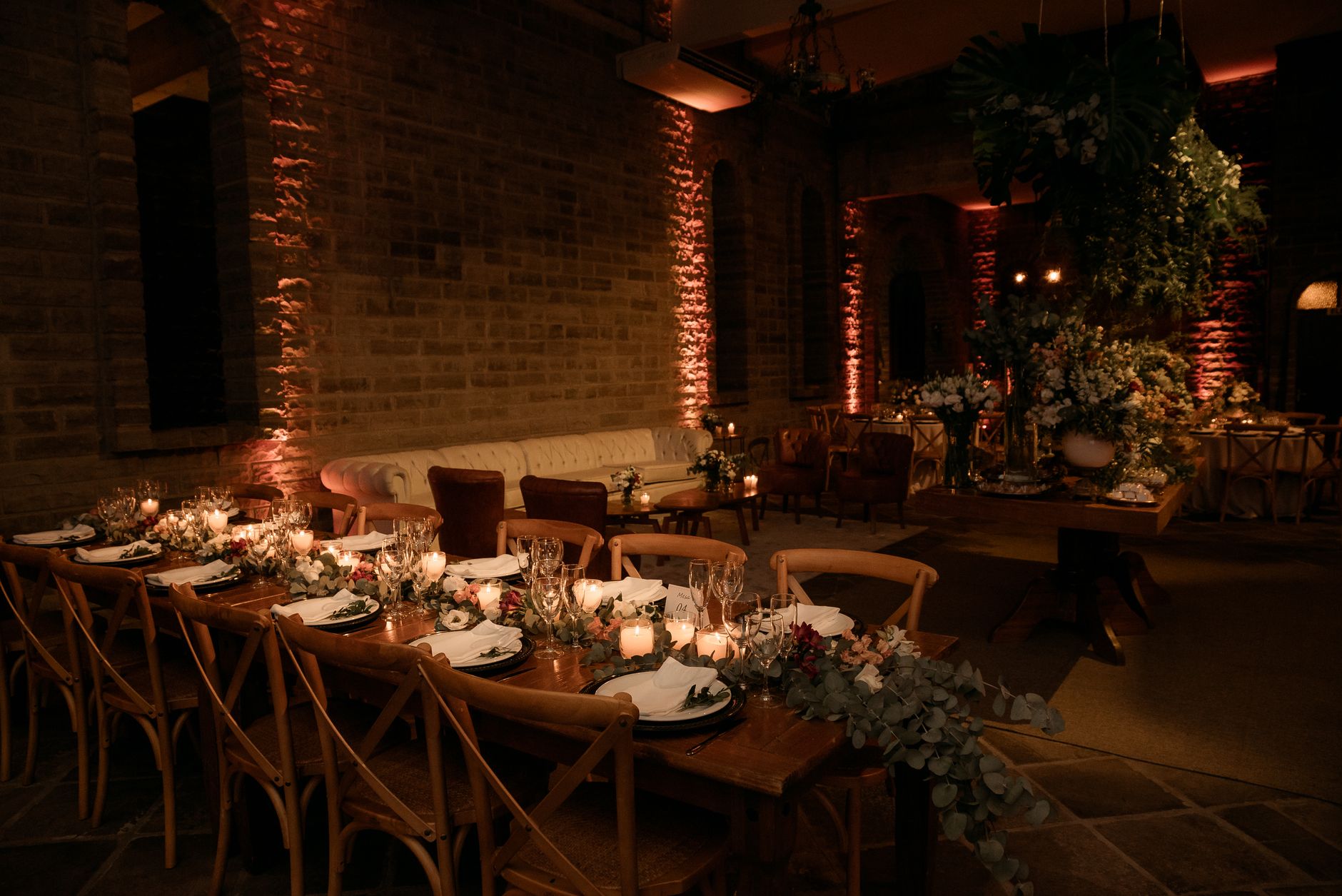
What decor and flowers work on a beach?
Sand and salt corrode metal, shred thin fabric, and bend delicate stems. We use: driftwood and natural stone as anchors (no metal stands), heavy linen and canvas instead of silk, potted plants and succulents instead of cut flowers (they survive wind and salt). For flowers and bouquets, we choose salt-tolerant species: orchids, bird of paradise, protea, anthuriums. We avoid peonies, roses, and delicate seasonal blooms—they wilt fast and are expensive to replace mid-event. Lanterns stay lit longer if we use LED candles (batteries last 8+ hours, flame doesn't blow out). Real candles are beautiful but need shelter—a glass cylinder or windbreak. We anchor tables with sandbags hidden under linens, guy-wire tent corners to deep stakes (not surface pegs), and use weighted glass or stone chargers instead of light chargers. String lights work if we run them low (to avoid wind catch) and test them 24 hours ahead on-site. A simple table: white linen, natural flowers in low vases, wooden cutlery, a single tall candle in glass. Anything ornate tangles in sand. We've learned to embrace minimalism on beaches—the ocean is the décor.
How much does setup and coordination cost?
We don't quote upfront because a beach dinner spans venue, catering, flowers, cake, photography, and plan-B moves—all variables. A four-person intimate dinner on a semi-private beach with a 2-hour setup, simple table decor, a local caterer (3-course menu), basic lighting, and a photographer for 3 hours costs differently than 20 guests with a private chef, extensive floral installation, string lights, and videography. Ask us for a quote on WhatsApp—we'll ask about your date, location preference, headcount, menu style (local cuisine, Western, fusion), and the moment type (proposal, anniversary, elopement vow, honeymoon surprise). We then provide a breakdown. Expect the bulk of cost to be catering, followed by venue (if rented), photography, and florals. Decor and logistics are typically the smallest line. We don't charge per-item; we charge for coordination, contingency planning, and vendor management on the day.
| Aspect | What to Expect | Why It Matters |
|---|---|---|
| Timing | Arrival 75 min before sunset; 3–4 hours total | Food temp, light quality, and guest comfort |
| Beach type | Cove or sheltered bay; firm sand; <500 m to backup venue | Wind exposure, walkability, accessibility |
| Season | Oct–Mar for dry; Apr–May or Sept–Oct for calm water | Monsoon squalls ruin setups; heat speeds cooling |
| Catering | Local chef or touring caterer; beach-specific menu | Hot food cools 10–15°C per 45 min; sand ruins delicates |
| Flowers | Orchids, protea, anthuriums; potted if possible | Salt and wind shred roses; cut flowers wilt in 2–3 hours |
| Backup venue | Covered pavilion or resort dining room within 10–15 min | >60% rain forecast triggers move 48 hours before |
| Decor | Minimal, natural: driftwood, linen, sandbag anchors | Ornate décor blows away; metal corrodes from salt |
| Lighting | LED candles in glass or string lights low; no open flames | Wind blows out real candles; high lines catch gusts |
What questions should you ask before you book?
- Is the beach permit-required? Some stretches are public; others need hotel or local authority permission. Confirm the beach owner or manager will allow a setup 48 hours before.
- What's the backup plan? Don't assume "we'll move to a café nearby." Confirm a specific covered space, pre-scouted, with chairs and tables ready.
- Can your caterer work on sand? Not all chefs have. Ask if they've done beach service, how they keep food hot, and if they bring their own tables/chilling.
- Are there tide or current hazards? Some beaches have strong currents or shifting sandbars. Check with locals. High tide can shrink your space by 50%.
- What time is sunset that day, and is there moon light? Request exact sunset time and moon phase. Plan dinner timing around light.
- Does the photographer know beach conditions? Sand damages camera equipment; salt air requires protective gear. Confirm they've shot on beaches and protect electronics.
Real details: what goes wrong and how to fix it
- Sand in the cake. We keep the cake in a sealed box until 10 minutes before service and use a mesh cover while it sits. Glazed finishes resist sand; piped details catch it. Request a custom cake design that's visually striking but smooth-surfaced.
- Napkins flying away. We clip linen napkins with small stone or driftwood weights—feels organic, solves the problem. Fabric napkins weigh more than paper.
- Guest shoes full of sand. Provide a small bucket of fresh water and a towel at the table entrance. It's a small gesture that resets the mood.
- Cold mains. The gap between kitchen prep and guest plate is the killer. We coordinate caterers to plate within 2 minutes of serving. Smaller dishes cool faster—go for modest portions and rich flavors.
- Flowers drooping by mains course. Potted orchids are heavier upfront but survive the evening. Cut flowers last about 3 hours on a beach. Accept this and don't overinvest.
- Photographer's camera fogging. Salt air fogs lenses. Ask your photographer to use a UV filter, keep a cloth in a sealed bag, and wipe frequently. Arrive early to acclimate gear.
What to check before you book
- Your date and backup option: Is a specific beach your heart's set on, or are you flexible? If fixed, ask us to assess weather 6 weeks and 2 weeks ahead. If flexible, we'll propose the best beach and dates.
- Catering source: Do you have a chef in mind, or do you want us to suggest someone beach-experienced?
- Photography and video: Do you want photos only, video, or both? A drone shot of your table from above is stunning on a beach (confirm local drone laws first).
- Group size and menu style: 4 people and local seafood is fundamentally different from 15 people and fusion cuisine. Both work; cost and logistics differ.
- Moment type: Anniversary celebration, honeymoon surprise, marriage proposal, or just a romantic dinner? This shapes timing, décor, and photo strategy. Tell us, and we'll tailor.
We coordinate every beach dinner as if it's our own—scouting tide tables, testing weather patterns, and holding contingency calls. The magic isn't in lavish décor; it's in a calm sea, good food, and a partner across from you as light fades. We handle the logistics so you don't have to.
Chat with a planner on WhatsApp

FAQ
Can we get married on a Vietnam beach with Cáo Moments?
We coordinate elopements and vow renewals on beaches—legal paperwork isn't our role, but décor, flowers, photography, and a celebrant or photographer witness are. Check with your embassy on Vietnam marriage legality first, then contact us on elopement planning.
What's the best beach in Vietnam for a quiet dinner for two?
Phu Quoc's quieter coves, non-touristed stretches of Da Nang, and Hoi An's adjacent beaches offer calm water and fewer crowds. We assess your specific date and preference, then scout and confirm access with beach management.
How far in advance should we book a beach dinner?
4–6 weeks for peak season (Oct–Apr); 2–3 weeks for shoulder months (May, Sept). This allows venue confirmation, caterer booking, and weather forecasting. Last-minute bookings (1–2 weeks) are possible but limit venue and catering choice.
Will rain ruin our beach dinner?
Not if we have a backup plan. We identify a covered pavilion or nearby venue 48 hours ahead and move if rain is >60% likely or if storm risk is high. Light drizzle often photographs beautifully; heavy rain triggers the swap.
Can we bring our own caterer to the beach?
Yes, if they've done beach service and understand sand, salt, and cooling. We recommend caterers we've worked with, but your choice is welcome. Confirm with beach management that outside catering is permitted.
What should we wear for a beach dinner in the evening?
Light, breathable fabric that won't wrinkle; sandals or barefoot; a shawl or light jacket for after sunset (sea breeze cools quickly). Avoid heavy makeup—humidity and salt air make it melt. We'll alert you to the exact sunset time and temperature forecast.
Do you coordinate beach dinners for proposals?
Yes. A marriage proposal on a beach is one of our most-planned moments. We hide the ring, brief the photographer, time the setup to sunset, and coordinate a second photographer to capture your face when you ask. Reach out on WhatsApp with your date and location preference.
Chat with a planner
Tell us the city, the date and the kind of moment. A planner replies on WhatsApp in English with ideas and what is possible.
FAQ
Can we get married on a Vietnam beach with Cáo Moments?
We coordinate elopements and vow renewals on beaches—legal paperwork isn't our role, but décor, flowers, photography, and a celebrant or photographer witness are. Check with your embassy on Vietnam marriage legality first, then contact us on [elopement planning](/elopement).
What's the best beach in Vietnam for a quiet dinner for two?
Phu Quoc's quieter coves, non-touristed stretches of Da Nang, and Hoi An's adjacent beaches offer calm water and fewer crowds. We assess your specific date and preference, then scout and confirm access with beach management.
How far in advance should we book a beach dinner?
4–6 weeks for peak season (Oct–Apr); 2–3 weeks for shoulder months (May, Sept). This allows venue confirmation, caterer booking, and weather forecasting. Last-minute bookings (1–2 weeks) are possible but limit venue and catering choice.
Will rain ruin our beach dinner?
Not if we have a backup plan. We identify a covered pavilion or nearby venue 48 hours ahead and move if rain is >60% likely or if storm risk is high. Light drizzle often photographs beautifully; heavy rain triggers the swap.
Can we bring our own caterer to the beach?
Yes, if they've done beach service and understand sand, salt, and cooling. We recommend caterers we've worked with, but your choice is welcome. Confirm with beach management that outside catering is permitted.
What should we wear for a beach dinner in the evening?
Light, breathable fabric that won't wrinkle; sandals or barefoot; a shawl or light jacket for after sunset (sea breeze cools quickly). Avoid heavy makeup—humidity and salt air make it melt. We'll alert you to the exact sunset time and temperature forecast.
Do you coordinate beach dinners for proposals?
Yes. A [marriage proposal](/proposal) on a beach is one of our most-planned moments. We hide the ring, brief the photographer, time the setup to sunset, and coordinate a second photographer to capture your face when you ask. Reach out on WhatsApp with your date and location preference.
More like this
Private romantic dinners
Candlelight Dinner with Photographer in Saigon: Plan & Book
A candlelight dinner with a hidden photographer in Saigon means venue, custom lighting, flowers, a plated meal, and a photographer capturing genuine moments without guests noticing—all coordinated by a single planner on WhatsApp.
Private romantic dinners
Candlelight Dinner with Photographer in Hoi An
A candlelit dinner in Hoi An's lantern-lit streets becomes unforgettable when a photographer documents it unseen. We walk you through the setup, the decisions, and what actually happens on the night.
Private romantic dinners
Candlelight dinner with photographer in Hanoi
A candlelight dinner with a hidden photographer lets you relax and be present while we document your real reactions. We handle everything — venue setup, custom decor, floral arrangement, the photographer's timing — so you focus on each other.